
Florida is one of the most respected technical diving destinations in the world. From deep wrecks off the Atlantic coast to complex cave systems inland, Technical diving Florida offers unparalleled opportunities for experienced divers seeking depth, penetration, and exploration beyond recreational limits. However, with these rewards come serious challenges. 7 Challenges Every Technical Diving Florida Explorer Should Expect
Unlike standard Scuba diving Florida, technical diving requires advanced training, specialized equipment, and disciplined planning. Whether you’re diving deep wrecks offshore or booking a Dive charter Pompano Beach for trimix or decompression dives, understanding the obstacles ahead is essential for safety and success.
In this article, we explore seven critical challenges every technical diver in Florida should expect, along with practical insights to help you prepare properly.
Understanding 7 Challenges Every Technical Diving Florida Explorer Should Expect
Before addressing the challenges, it’s important to clarify what technical diving entails. Technical diving goes beyond recreational limits by involving:
- Depths beyond 40 meters / 130 feet
- Mandatory decompression stops
- Overhead environments such as wrecks or caves
- Use of mixed gases like trimix or heliox
- Redundant life-support systems
Florida’s geography makes it uniquely suited for technical exploration. However, these same features amplify the difficulty and risk level.
1. Strong Currents and Dynamic Ocean Conditions
One of the first challenges technical divers encounter when diving Florida’s Atlantic coast is unpredictable water movement.
Why Currents Are a Major Factor
Florida is influenced by the powerful Gulf Stream, especially along the southeastern coastline. As a result:
- Currents can change rapidly with tide and weather
- Drift can be significant at depth
- Ascents and decompression stops require precise control
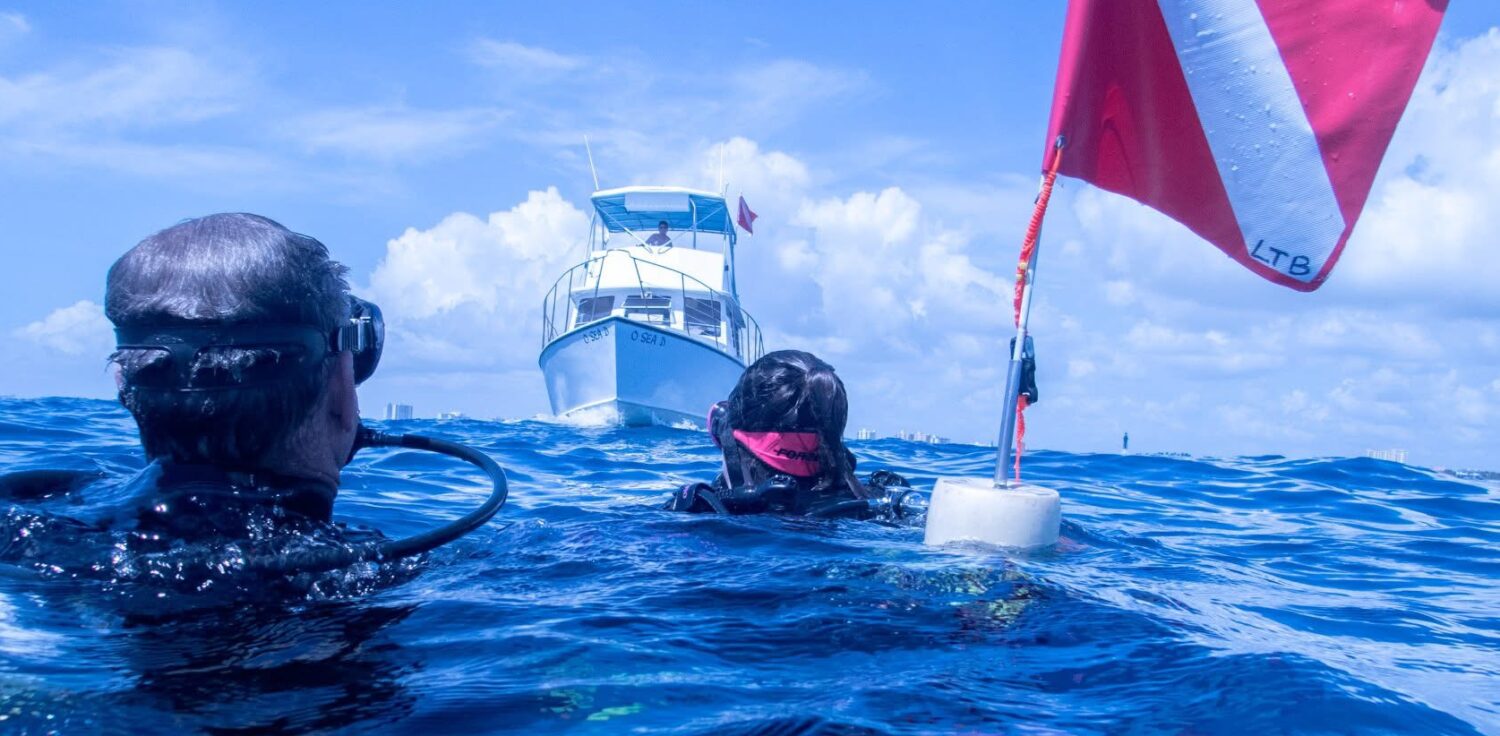
For those using a Dive charter Pompano Beach, current briefings are critical. Even experienced divers can underestimate how quickly conditions shift offshore.
Impact on Technical Dives
Strong currents affect:
- Gas consumption rates
- Navigation accuracy
- Decompression safety
- Surface recovery logistics
Therefore, technical divers must plan conservatively and deploy surface marker buoys (SMBs) with precision.
2. Complex Gas Planning and Management
Gas planning is already critical in recreational diving, but Technical diving Florida elevates this challenge exponentially.
Multiple Gas Mixtures
Most technical dives in Florida involve:
- Bottom gas (often trimix)
- One or more decompression gases
- Redundant bailout supplies
Each gas has a specific depth range and role. Consequently, errors in planning or labeling can lead to serious incidents.
Why Florida Makes This Harder
Deep wrecks and extended bottom times common in Scuba diving Florida technical profiles require:
- Accurate gas calculations
- Strict adherence to switch depths
- Constant awareness of remaining reserves
Even minor miscalculations can cascade into major problems during decompression.
3. Demanding Decompression Obligations
Unlike recreational dives, technical dives require mandatory decompression stops. This is one of the most mentally and physically demanding aspects of Technical diving Florida.
Long Decompression Times
Many Florida tech dives involve:
- 30–90 minutes of decompression
- Multiple depth changes
- Extended exposure to currents
During these stops, divers must maintain buoyancy, monitor gas switches, and remain calm despite environmental stress.
Environmental Stressors
In open ocean conditions near Dive charter Pompano Beach, decompression challenges include:
- Surface chop affecting shallow stops
- Boat traffic awareness
- Fatigue from long dive profiles
As a result, divers must be well-trained, well-rested, and highly disciplined.
4. Deep and Complex Wreck Environments
Florida is famous for its deep wrecks, many of which lie well beyond recreational depth limits. While these wrecks are spectacular, they present serious challenges.
Penetration Risks
Wreck penetration during Scuba diving Florida technical dives involves:
- Overhead environments
- Limited visibility due to silt
- Entanglement hazards
Even well-preserved wrecks can have unstable structures or sharp metal edges.
Psychological Pressure
Deep wrecks impose:
- Increased narcosis risk (even with trimix)
- Elevated task loading
- Reduced margin for error
Therefore, divers must be trained not only physically but also mentally to manage stress under pressure.
5. Equipment Complexity and Failure Management
Technical diving equipment is far more complex than recreational setups. Managing this complexity is a challenge in itself.
Typical Technical Configurations
Divers engaged in Technical diving Florida often use:
- Twin cylinders or rebreathers
- Multiple stage and deco bottles
- Redundant regulators and computers
Each component must be configured, tested, and maintained meticulously.
Failure Is Not Optional
Unlike recreational diving, equipment failures at depth during technical dives must be managed underwater. This means:
- Immediate problem recognition
- Calm, rehearsed responses
- Team coordination
When diving from a Dive charter Pompano Beach, surface support is available—but resolution still depends on diver skill and preparation.
6. Physical and Mental Endurance Requirements
Technical diving is physically demanding, especially in Florida’s offshore conditions.
Physical Challenges
Divers must handle:
- Heavy gear loads
- Long swim distances
- Extended dive times
Heat and humidity on the surface can also increase fatigue before and after dives.
Mental Fatigue
In addition to physical strain, technical divers face:
- High cognitive load
- Continuous monitoring of depth, time, and gas
- Stress management during long decompression
Compared to standard Scuba diving Florida, technical dives require sustained concentration for hours, not minutes.
7. Logistical Planning and Operational Discipline
The final challenge is often underestimated: logistics.
Precision Planning Is Mandatory
Every technical dive in Florida requires:
- Weather and sea condition analysis
- Tide and current timing
- Emergency and bailout planning
- Coordination with the dive charter
A professional Dive charter Pompano Beach typically supports these needs, but responsibility ultimately lies with the diver.
Limited Margin for Error
Unlike recreational trips where dives can be easily modified, technical dives:
- Cannot be aborted casually
- Require strict run times
- Demand contingency planning
As a result, discipline and preparation are as important as technical skill.
Why These Challenges Make Florida a Premier Technical Destination
Despite these challenges—or perhaps because of them—Technical diving Florida remains highly respected worldwide.
Florida offers:
- Some of the deepest and most accessible wrecks
- Advanced charter infrastructure
- Highly experienced dive professionals
- Year-round diving opportunities
For divers willing to invest in training and preparation, the rewards are extraordinary.
Who Should Consider Technical Diving in Florida?
This type of diving is best suited for:
- Experienced recreational divers seeking progression
- Certified technical divers expanding depth or range
- Explorers interested in wreck or mixed-gas diving
However, it is not recommended for divers who are uncomfortable with complexity, discipline, or risk management.
Conclusion: Preparation Is the Key to Success
Technical diving pushes the limits of human and equipment performance. In Florida, those limits are tested by deep wrecks, strong currents, and demanding decompression profiles.
To succeed in Technical diving Florida, divers must:
- Respect environmental conditions
- Master gas and decompression planning
- Maintain equipment rigorously
- Choose reputable operators like a Dive charter Pompano Beach
- Approach every dive with discipline and humility
While Scuba diving Florida offers something for everyone, technical diving demands everything from you. With the right mindset and preparation, it delivers some of the most rewarding underwater experiences available anywhere in the world.