
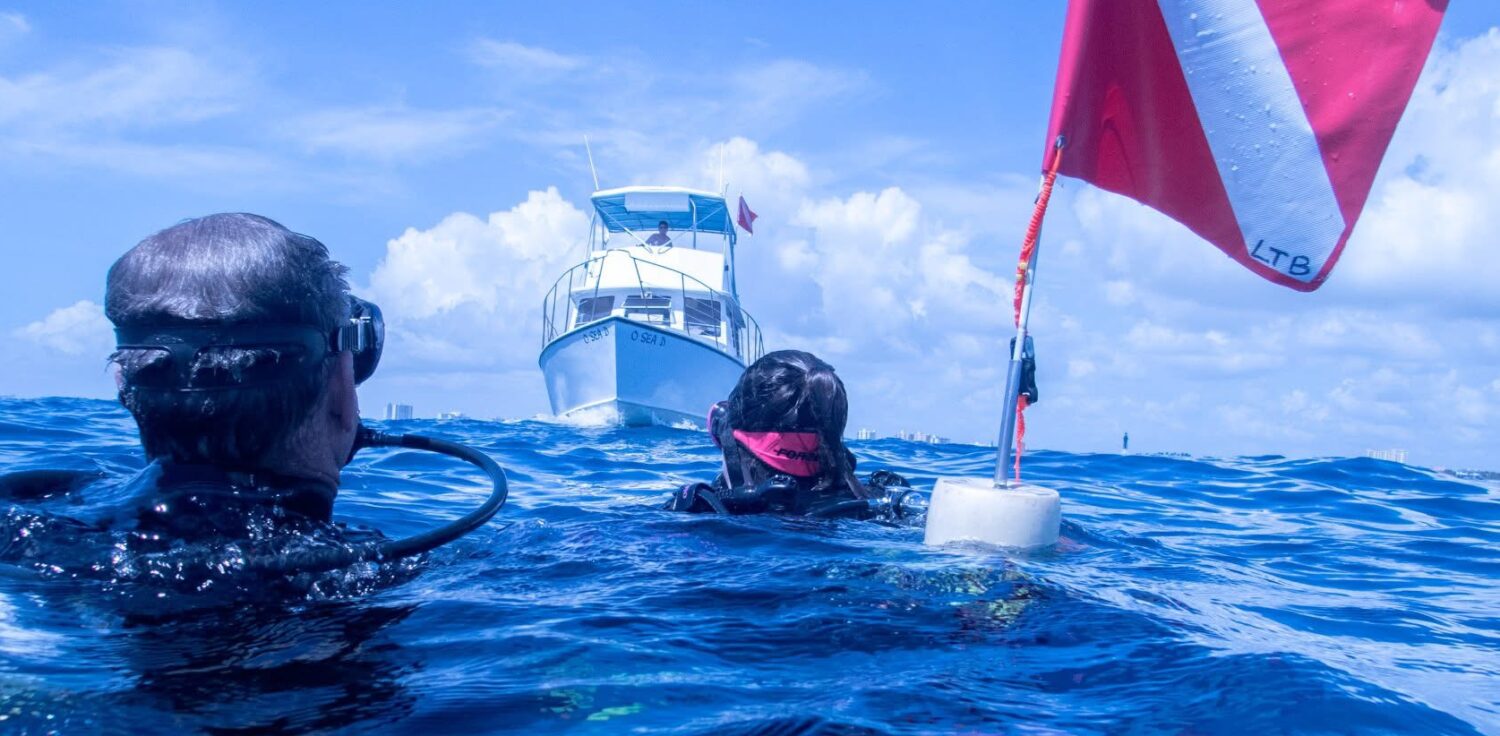
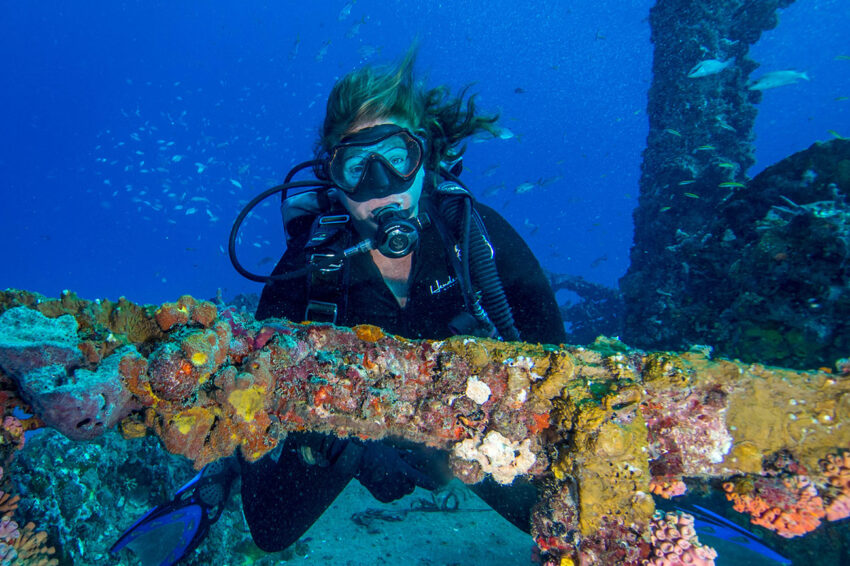
In this comprehensive guide, you’ll learn seven essential entry techniques used in Diving South Florida, along with practical tips to ensure safety, efficiency, and confidence every time you hit the water.
Diving in South Florida offers some of the most exciting underwater experiences in the United States. From vibrant coral reefs to historic shipwrecks, the region attracts both beginners and advanced divers year-round. However, one often overlooked aspect of a safe and enjoyable dive is how you enter the water.
Whether you’re heading out on a Fort Lauderdale dive charter or enjoying Snorkeling South Florida from the shore, mastering proper entry techniques is essential. Conditions such as currents, waves, boat type, and dive objectives all influence the best entry method.
Diving South Florida: 7 Entry Techniques You can Learn

1. Giant Stride Entry
The giant stride is the most common entry technique used from boats, especially on Fort Lauderdale dive charter vessels.
How It Works:
You stand at the edge of the boat with your fins on, mask secured, and regulator in place. Holding your mask and regulator with one hand, you take a large step forward into the water.
Why It’s Ideal in South Florida:
- Works well on stable dive boats with open decks
- Keeps your gear in place during entry
- Allows quick and efficient group entries
Pro Tips:
- Always check below before stepping in
- Keep your body upright during the stride
- Signal “OK” to the crew immediately after entering
This method is widely used on South Florida dive boats due to its simplicity and reliability.
2. Backward Roll Entry
The backward roll entry is commonly used on smaller boats, including inflatables and compact dive vessels.
How It Works:
You sit on the edge of the boat with your back facing the water. Holding your mask and regulator, you roll backward into the water.
When to Use It:
- On small boats with limited standing space
- When diving from rigid inflatable boats (RIBs)
- During drift dives common in South Florida
Advantages:
- Requires minimal space
- Reduces risk of slipping or losing balance
- Keeps the group organized during entry
Many Fort Lauderdale dive charter operators use this technique for smaller, more agile vessels.
3. Controlled Seated Entry
This is one of the safest and most beginner-friendly methods, especially for Snorkeling South Florida or shallow reef dives.
How It Works:
You sit on the edge of the boat or dock and gently lower yourself into the water.
Best For:
- Beginners or nervous divers
- Snorkelers without heavy gear
- Calm water conditions
Benefits:
- Minimal impact on the body
- Reduces risk of equipment dislodging
- Easy to control and execute
This method is often recommended for families and first-time snorkelers exploring South Florida’s reefs.
4. Shore Entry (Wade-In Entry)
Shore entries are popular for Snorkeling South Florida, especially at beaches with easy access to reefs.
How It Works:
You walk slowly into the water until it’s deep enough to swim, then put on your fins and begin your dive.
Ideal Locations:
- Calm beaches with sandy bottoms
- Shallow reef systems close to shore
- Low surf conditions
Safety Tips:
- Watch for waves and currents
- Protect your fins and avoid stepping on coral
- Time your entry between wave sets
Shore entries allow divers to explore without relying on a Fort Lauderdale dive charter, making them accessible and budget-friendly.
5. Negative Entry (Rapid Descent Entry)
This technique is commonly used in Diving South Florida during drift dives where currents are strong.
How It Works:
Divers enter the water and immediately descend without floating on the surface.
Why It’s Important:
- Prevents separation from the group
- Keeps divers close to the reef or wreck
- Minimizes surface drift in strong currents
Requirements:
- Advanced buoyancy control
- Clear pre-dive planning
- Strong communication with your dive team
Negative entries are frequently used on South Florida dive boats when diving along the Gulf Stream.
6. Step-Down Entry
This technique is used when entering from low platforms, docks, or swim steps on boats.
How It Works:
You carefully step down into the water while holding onto a rail or ladder.
When to Use It:
- On boats with swim platforms
- In calm water conditions
- When carrying heavy technical gear
Advantages:
- Gentle on the body
- Reduces splash and disturbance
- Ideal for photographers or divers with delicate equipment
Many Fort Lauderdale dive charter boats provide swim platforms specifically for this type of entry.
7. Surf Entry (Timing-Based Entry)
Surf entries are more advanced and often used when entering from beaches with waves.
How It Works:
You walk into the surf while timing your movement with incoming waves, then swim out past the break.
Key Challenges:
- Wave timing
- Maintaining balance
- Protecting gear from impact
Tips for Success:
- Enter during a lull between waves
- Keep your regulator in your mouth
- Use your fins efficiently to get past the surf zone
This technique is particularly useful for Snorkeling South Florida in areas with moderate wave action.
Choosing the Right Entry Technique
Not every dive requires the same entry method. The best technique depends on:
1. Dive Location
Boat dives, shore dives, and drift dives each require different approaches.
2. Water Conditions
Currents, waves, and visibility all play a role in determining the safest entry.
3. Experience Level
Beginners may prefer seated or shore entries, while advanced divers may use negative entries.
4. Equipment Type
Heavy technical gear may require more controlled entries like step-down methods.
Safety Tips for Diving South Florida
No matter which entry technique you use, safety should always come first:
- Always listen to your dive briefing
- Check your gear before entering the water
- Maintain communication with your dive team
- Be aware of boat traffic and surface conditions
- Stay close to your group, especially during drift dives
Professional Fort Lauderdale dive charter operators provide guidance on the best entry methods for each dive site.
Why Entry Techniques Matter
Proper entry techniques are not just about getting into the water—they directly impact:
- Safety – Preventing injuries and equipment loss
- Efficiency – Ensuring smooth group coordination
- Comfort – Reducing stress, especially for beginners
- Dive Success – Starting your dive in the right position and condition
In Diving South Florida, where conditions can vary from calm reefs to strong drift currents, choosing the right entry method can make a significant difference.
Final Thoughts
Mastering entry techniques is a fundamental skill for any diver or snorkeler. Whether you’re exploring reefs through Snorkeling South Florida or heading offshore on a Fort Lauderdale dive charter, understanding how to enter the water safely and effectively sets the tone for your entire experience.
From the classic giant stride to advanced negative entries, each method has its place in Diving South Florida. By learning and practicing these seven techniques, you’ll not only improve your confidence but also enhance your overall diving safety and enjoyment. As you gain more experience, you’ll naturally adapt your entry style to different conditions—making every dive smoother, safer, and more rewarding