
South Florida is one of the most biologically diverse marine regions in the United States. Warm currents, thriving coral reefs, and nutrient-rich waters create ideal conditions for an extraordinary range of underwater life. For divers of all experience levels, this region offers unforgettable encounters with colorful reef fish, majestic pelagic species, and rare marine creatures. Therefore top marine species found while diving South Florida
In this comprehensive guide, we explore the top marine species found while diving South Florida, while also highlighting why marine life diving Florida, scuba diving Florida, and a drift diving Pompano Beach experience are considered world-class. Whether you are a beginner or an experienced diver, understanding the marine ecosystem will significantly enhance your underwater adventures.
Hotspot for Top Marine Species Found While Diving South Florida
South Florida’s marine biodiversity is influenced by several unique environmental factors. The Gulf Stream flows close to shore, bringing warm water, nutrients, and migratory species throughout the year. Additionally, extensive reef systems and artificial structures provide shelter and breeding grounds for countless marine organisms.
As a result, marine life diving Florida consistently ranks among the best in North America. Divers can encounter tropical and subtropical species in a single dive, something few regions can offer.
Moreover, the area’s accessibility and favorable conditions make scuba diving Florida attractive to both recreational and professional divers.
Coral Reefs: The Foundation of Marine Life in South Florida
Before exploring individual species, it is essential to understand the importance of coral reefs. These ecosystems serve as the backbone of marine biodiversity in South Florida.
Key Reef Systems
- Florida Reef Tract (the only living coral barrier reef in the continental U.S.)
- Shallow patch reefs ideal for beginners
- Deeper reef ledges popular for drift dives
These reef systems support thousands of marine species and are central to marine life diving Florida experiences.
Tropical Reef Fish Commonly Seen While Scuba Diving Florida
Parrotfish
Parrotfish are among the most recognizable reef inhabitants. Known for their vibrant colors and beak-like mouths, they play a crucial role in reef health by grazing on algae.
While scuba diving Florida, divers often encounter several species of parrotfish, especially in shallow and mid-depth reefs.
Angelfish
Queen angelfish, French angelfish, and gray angelfish are frequently spotted throughout South Florida reefs. Their slow, graceful movements make them a favorite subject for underwater photographers.
These species thrive in coral-rich environments, making them common sightings during marine life diving Florida excursions.
Butterflyfish
Butterflyfish travel in pairs and are often seen hovering near coral heads. Their presence is a sign of a healthy reef ecosystem.
Divers participating in a drift diving Pompano Beach experience often spot butterflyfish along reef edges and ledges.
Large Pelagic Species: Icons of South Florida Diving
Sea Turtles
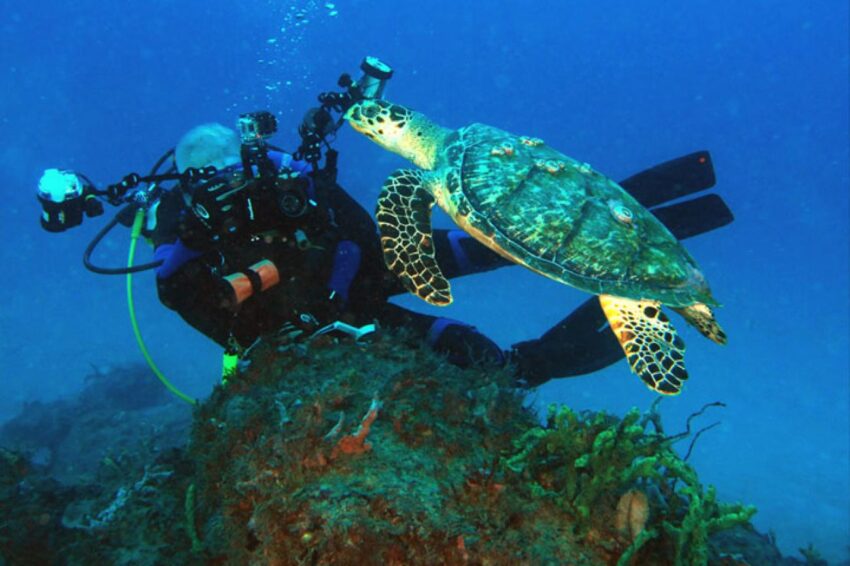
South Florida is home to several sea turtle species, including:
- Loggerhead turtles
- Green turtles
- Hawksbill turtles
These gentle reptiles are protected and frequently encountered during scuba diving Florida dives, especially near reefs and wrecks.
Sharks
Contrary to popular fear, sharks are a natural and essential part of the marine ecosystem.
Common species include:
- Reef sharks
- Nurse sharks
- Lemon sharks
- Bull sharks (occasionally)
Shark encounters are particularly common during a drift diving Pompano Beach dive, where currents bring nutrient-rich water and larger marine life.
Rays
Southern stingrays, spotted eagle rays, and manta rays are regularly observed in South Florida waters. Eagle rays, in particular, are known for their elegant, wing-like movements.
These encounters add excitement and awe to marine life diving Florida adventures.
Macro Marine Life: Small Creatures with Big Appeal
Not all marine life in South Florida is large and dramatic. Many divers find just as much joy in spotting smaller, intricate species.
Seahorses
Though rare and well camouflaged, seahorses can be found clinging to sea grass and soft corals. Patient divers and underwater photographers treasure these sightings.
Nudibranchs
Often referred to as “sea slugs,” nudibranchs display extraordinary colors and patterns. They are a favorite among macro photographers during scuba diving Florida dives.
Octopus
Octopuses are masters of camouflage. While they are more active at night, divers occasionally spot them during daytime dives tucked into reef crevices.
Wreck Diving and Artificial Reefs: Marine Life Havens
South Florida is famous for its artificial reefs and sunken shipwrecks, which quickly become thriving marine habitats.
Why Wrecks Attract Marine Life
- Provide shelter from predators
- Create breeding grounds
- Support coral and sponge growth
During marine life diving Florida, wrecks are prime locations to see large schools of fish, barracudas, groupers, and even sharks.
Drift Diving Pompano Beach: A Unique Marine Life Experience
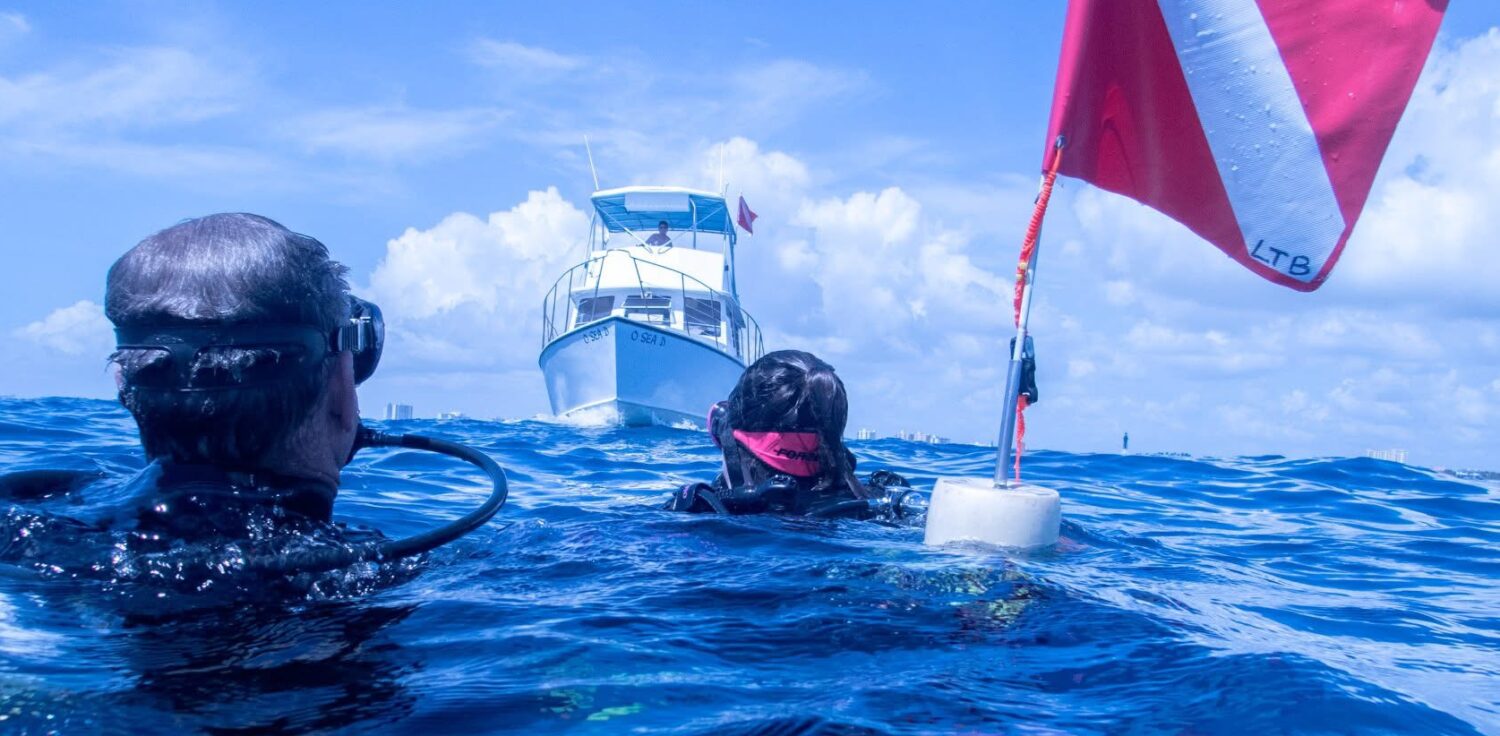
One of the most popular styles of diving in South Florida is drift diving. Among the top locations, a drift diving Pompano Beach experience stands out.
What Makes Drift Diving Special
Instead of swimming against currents, divers allow the water to carry them along the reef. This technique offers several advantages:
- Reduced physical effort
- Greater coverage of reef systems
- Increased chances of seeing pelagic species
Pompano Beach’s natural reef formations and consistent currents make it ideal for drift diving, particularly for observing larger marine species.
Seasonal Marine Life in South Florida
Marine life in South Florida changes with the seasons, offering different highlights throughout the year.
Winter Months
- Increased shark activity
- Whale sightings offshore (rare but possible)
- Cooler water temperatures
Summer Months
- Higher visibility
- Abundance of tropical fish
- Turtle nesting season
These seasonal variations ensure that scuba diving Florida remains exciting year-round.
Dolphin and Whale Encounters
While less common, dolphins are occasionally spotted during boat rides to dive sites. In rare cases, divers may hear whale songs during deep offshore dives.
Such experiences underscore why marine life diving Florida is considered exceptional on a global scale.
Conservation and Responsible Diving Practices
South Florida’s marine ecosystems face threats from climate change, pollution, and overuse. Responsible diving is essential for preserving these environments.
Best Practices for Divers
- Maintain proper buoyancy
- Avoid touching marine life
- Respect protected species
- Follow local dive regulations
By practicing responsible diving, participants help ensure the sustainability of scuba diving Florida destinations.
Photography Tips for Capturing Marine Life
Underwater photography is popular among divers in South Florida.
Expert Tips
- Use natural light in shallow reefs
- Approach marine life slowly
- Avoid chasing or stressing animals
- Focus on composition and background
Drift dives, especially a drift diving Pompano Beach excursion, offer excellent opportunities for wide-angle photography.
Who Can Enjoy Marine Life Diving in South Florida?
South Florida caters to divers of all skill levels.
- Beginners: Shallow reefs and calm conditions
- Intermediate divers: Drift dives and deeper reefs
- Advanced divers: Wrecks and technical dives
Even non-divers can enjoy marine life diving Florida through snorkeling and glass-bottom boat tours.
Final Thoughts: Why South Florida Is a Marine Life Paradise
South Florida offers one of the richest underwater ecosystems in the United States. From vibrant coral reefs and colorful fish to powerful sharks and graceful rays, the region provides endless opportunities for discovery.
Whether you are exploring reefs during scuba diving Florida, experiencing a drift diving Pompano Beach adventure, or simply appreciating the biodiversity of marine life diving Florida, each dive reveals something extraordinary.
By understanding the marine species you encounter and diving responsibly, you not only enhance your experience but also help protect this underwater paradise for generations to come.