
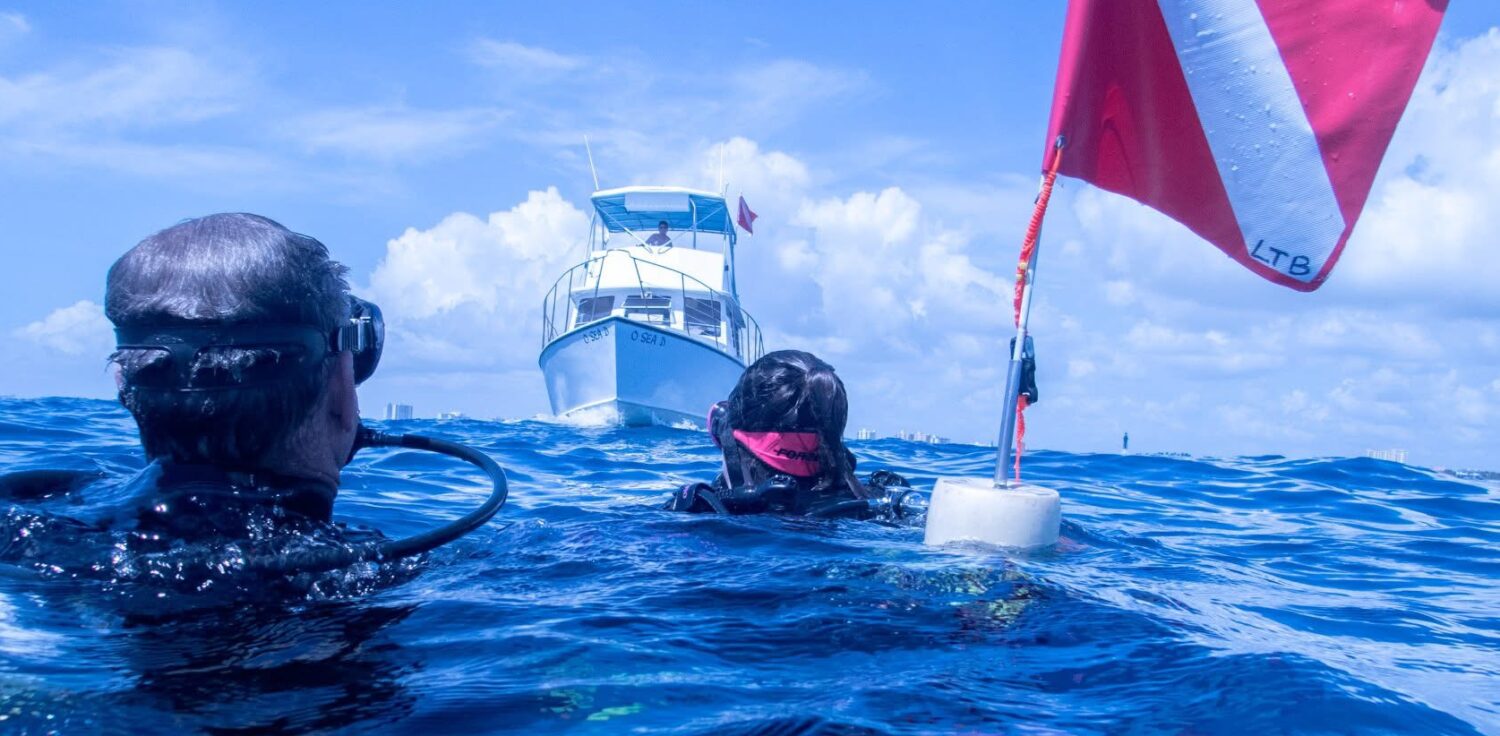
Florida has long been recognized as one of the world’s premier scuba diving destinations, but beyond its colorful coral reefs and beginner-friendly dive sites lies an entirely different underwater world. For experienced divers seeking greater depths, longer bottom times, and more challenging environments, Technical Diving Florida offers some of the most rewarding underwater adventures in North America. From deep artificial reefs and historic shipwrecks to offshore ledges and advanced cave systems, the Sunshine State provides exceptional opportunities for technical divers to test their skills while exploring remarkable underwater landscapes.
South Florida, in particular, has earned an international reputation among technical divers because of its accessibility, warm waters, diverse marine ecosystems, and abundance of deep wrecks. Combined with professional training facilities, reliable Scuba gear rental Florida services, and experienced charter operators, the region has become a preferred destination for recreational divers transitioning into technical diving as well as seasoned professionals seeking new challenges.
In this guide, we’ll explore eight outstanding deep-dive locations that make Scuba diving south Florida a bucket-list experience for technical divers while discussing safety considerations, equipment requirements, and preparation tips for successful deep-water expeditions.
Technical Diving Florida 8 Deep-Dive Locations to Explore
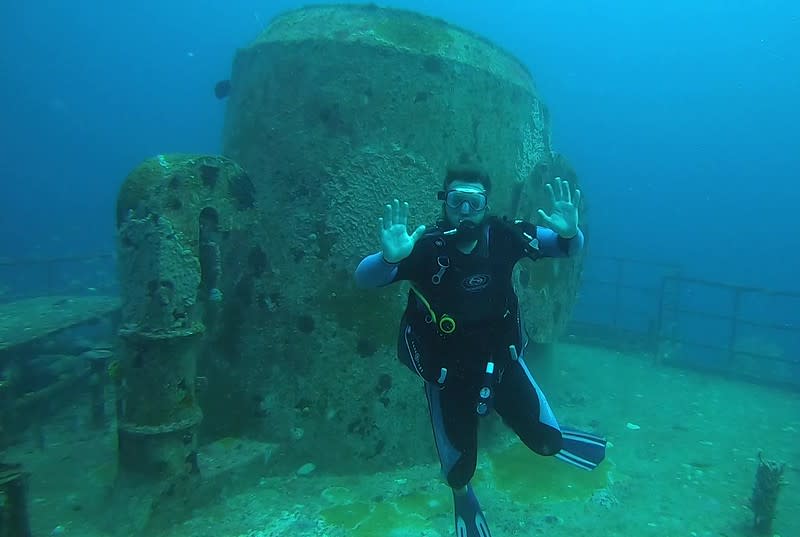
1. The Lady Luck Wreck – Pompano Beach
The Lady Luck is one of South Florida’s most recognizable artificial reefs and serves as an excellent destination for advanced and technical divers. Purposefully sunk to create marine habitat, the vessel has become home to thriving coral growth, schools of tropical fish, barracuda, and occasional sea turtles.
Technical divers appreciate the wreck because it provides opportunities for:
- Deep penetration training
- Advanced navigation
- Controlled decompression practice
- Underwater photography
- Multiple exploration routes
Its size allows repeat visits without feeling repetitive, making it a favorite among experienced divers.
2. The Okinawa Wreck
The Okinawa is another famous deep wreck that attracts technical divers throughout the year.
Highlights include:
- Extensive steel structures
- Large marine life
- Excellent visibility
- Opportunities for staged decompression
- Rich artificial reef ecosystem
Advanced divers often combine this site with nearby reefs for extended multi-dive technical excursions.
3. Copenhagen Wreck
Originally a British steamship that grounded over a century ago, the Copenhagen Wreck has become one of Florida’s most historically significant dive sites.
Technical divers visit because of:
- Historic artifacts
- Coral-encrusted structures
- Marine biodiversity
- Opportunities for detailed underwater mapping
- Ideal training conditions for advanced navigation
The wreck demonstrates how history and marine conservation intersect beneath the surface.
4. Deep Offshore Reefs of Broward County
Beyond the shallow reef systems lies a network of deeper natural reefs that attract experienced divers seeking more demanding conditions.
These offshore reefs feature:
- Massive sea fans
- Black corals
- Large groupers
- Reef sharks
- Eagle rays
- Schools of jacks
The depth often requires precise gas management and decompression planning, making them ideal for Technical Diving Florida.
5. Spiegel Grove – Key Largo
The Spiegel Grove is one of the largest intentionally sunk ships in the world and a legendary destination for technical divers.
Reasons it remains iconic include:
- Massive size
- Multiple penetration routes
- Variable depths
- Strong marine life
- Excellent wreck preservation
Divers frequently require several visits to explore only portions of the vessel due to its enormous scale.
6. Hydro Atlantic Wreck
This former freighter has transformed into an underwater ecosystem that appeals to experienced wreck divers.
Divers commonly encounter:
- Goliath grouper
- Amberjack
- Moray eels
- Lobsters
- Sponges
- Colorful soft corals
Because of its depth and complexity, it is best suited for properly trained technical divers.
7. Deep Ledges off Palm Beach
Palm Beach’s offshore ledges provide spectacular wall-like formations where divers frequently observe pelagic species.
Common sightings include:
- Reef sharks
- Hammerheads (seasonally)
- Loggerhead turtles
- Spotted eagle rays
- Schools of snapper
- Barracuda
The dramatic underwater topography makes every dive unique while rewarding divers with unforgettable encounters.
8. Technical Cave Systems of North Florida
Although South Florida is best known for ocean diving, North Florida’s freshwater cave systems deserve recognition among elite technical divers.
These caves require specialized training because they involve:
- Overhead environments
- Guideline navigation
- Multiple gas mixtures
- Precise buoyancy
- Advanced emergency procedures
Only properly certified cave divers should attempt these extraordinary environments.
Why Diving South Florida Appeals to Technical Divers
Few destinations offer the variety found while Diving south Florida.
Technical divers can experience:
- Deep wrecks
- Artificial reefs
- Natural reef walls
- Drift dives
- Offshore ledges
- Marine conservation projects
- Underwater photography opportunities
The close proximity of many dive sites also allows divers to maximize bottom time while minimizing boat travel.
The Importance of Quality Scuba Gear Rental Florida
Even experienced technical divers occasionally travel without transporting every piece of equipment. Fortunately, many professional dive centers provide dependable Scuba gear rental Florida services, including specialized equipment suitable for advanced diving.
Available equipment often includes:
- Twin cylinders
- Stage bottles
- Technical BCD systems
- Wings and backplates
- Primary and backup regulators
- Dive computers
- Decompression reels
- Surface marker buoys
- High-powered dive lights
Renting from a reputable dive center ensures equipment is professionally maintained and ready for demanding underwater environments.
Safety Considerations for Technical Diving
Technical diving introduces additional risks compared to recreational scuba diving. Proper planning and discipline are essential.
Best practices include:
- Dive only within your certification level.
- Follow established decompression procedures.
- Plan gas reserves conservatively.
- Conduct thorough equipment checks.
- Dive with an experienced technical buddy.
- Carry redundant life-support equipment.
- Monitor weather and current conditions.
- Practice emergency drills regularly.
Successful technical diving depends on preparation rather than improvisation.
Preparing for Your Technical Diving Adventure
Before booking a trip, experienced divers should:
- Verify certification requirements for planned dive sites.
- Schedule refresher training if necessary.
- Inspect or service personal equipment.
- Research local charter operators.
- Confirm availability of enriched air or trimix.
- Arrange Scuba gear rental Florida in advance if needed.
- Build a flexible itinerary to accommodate weather conditions.
A well-organized trip allows divers to focus on exploration while minimizing unnecessary stress.
Conclusion
From legendary shipwrecks and deep offshore reefs to dramatic ledges and world-famous cave systems, Technical Diving Florida offers exceptional opportunities for experienced divers seeking challenging underwater adventures. Combined with reliable Scuba gear rental Florida, experienced charter operators, and the remarkable diversity of Diving south Florida, the region continues to attract technical divers from around the globe.
Whether your passion is deep wreck penetration, underwater photography, decompression diving, or expanding your technical certifications, Florida provides an unmatched combination of accessibility, marine biodiversity, and world-class dive sites. With proper training, careful planning, and a commitment to safety, every technical dive becomes an opportunity to discover a fascinating underwater world that few people ever experience.