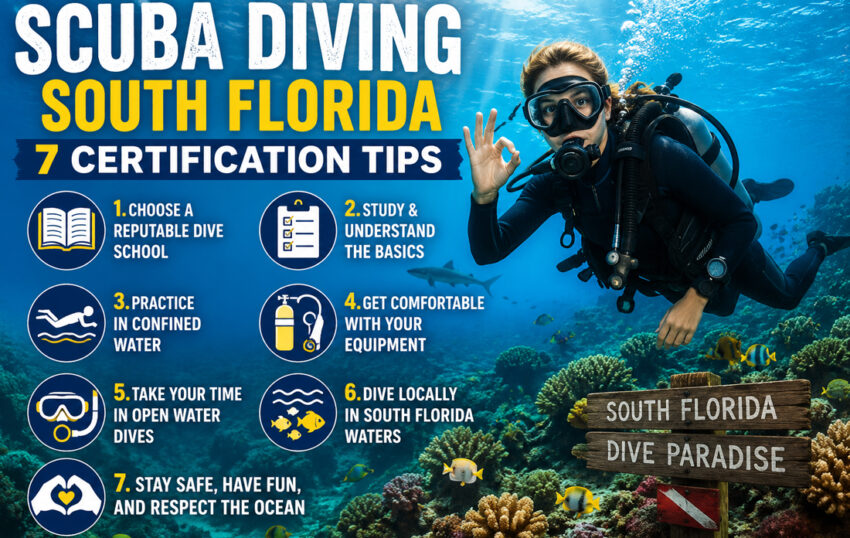
This guide explores seven important certification tips that can help you succeed in Scuba Diving South Florida, whether you are earning your first certification or advancing toward more specialized diving experiences.
South Florida has long been recognized as one of the premier diving destinations in the United States. With warm waters, vibrant coral reefs, historic shipwrecks, and year-round diving opportunities, it attracts everyone from first-time divers to experienced technical enthusiasts. Whether you dream of exploring colorful reef systems, participating in A drift diving Pompano Beach adventure, or progressing into Technical diving Florida programs, obtaining the right certification is the foundation of a safe and rewarding underwater journey.
Many aspiring divers underestimate how important proper training is before entering the water. While modern scuba equipment is designed with safety in mind, scuba diving remains an activity that requires knowledge, preparation, and continuous learning. A quality certification program not only teaches essential skills but also builds confidence and prepares divers for the unique underwater environments found throughout South Florida.
Why South Florida Is an Ideal Place to Get Certified
Before diving into the certification tips, it is worth understanding why so many people choose South Florida for their training.
The region offers several advantages:
- Warm water throughout much of the year
- Excellent underwater visibility
- Numerous dive sites suitable for beginners
- Access to reefs and wrecks
- Experienced dive instructors
- Opportunities for advanced training
- Easy access to specialty certifications
Because conditions are generally favorable, students can focus on learning skills rather than dealing with extreme environmental challenges.
Additionally, divers can continue progressing after certification by exploring advanced specialties such as deep diving, wreck diving, drift diving, and technical diving.
Scuba Diving South Florida 7 Certification Tips

Tip 1: Choose the Right Certification Agency
The first step toward becoming a certified diver is selecting a recognized training organization.
Several internationally respected agencies offer scuba certification programs, including:
- PADI
- SSI
- NAUI
- SDI
- RAID
All major agencies follow internationally accepted safety standards and teach similar core skills.
When choosing a certification provider, consider:
Instructor Experience
A skilled instructor often has a greater impact on your learning experience than the agency itself.
Training Flexibility
Some organizations offer extensive online learning options combined with in-water training.
Continuing Education Opportunities
If you plan to advance into specialties such as Technical diving Florida, selecting an agency with strong advanced training pathways may be beneficial.
The most important factor is finding a reputable instructor and dive center committed to safety and quality education.
Tip 2: Master Basic Skills Before Moving Forward
Many new divers become excited about advanced dives before fully mastering foundational skills.
The Open Water certification teaches critical techniques such as:
- Mask clearing
- Regulator recovery
- Buoyancy control
- Emergency procedures
- Underwater communication
- Equipment assembly
These skills may appear simple, but they form the basis for every future dive.
Why Buoyancy Matters
Buoyancy control is particularly important in South Florida.
Proper buoyancy helps divers:
- Protect coral reefs
- Reduce air consumption
- Improve comfort underwater
- Maintain safety during dives
Divers who rush through training often struggle later when attempting more challenging underwater activities.
Taking extra time to practice foundational skills pays significant dividends throughout your diving career.
Tip 3: Understand South Florida Diving Conditions
Every dive destination has unique environmental characteristics.
For Scuba Diving South Florida, divers should understand:
Ocean Currents
Many South Florida dive sites experience moderate currents.
These currents support healthy marine ecosystems but require divers to learn proper navigation and drift techniques.
Visibility Conditions
Visibility often exceeds 50 feet and can reach well over 100 feet during ideal conditions.
While excellent visibility enhances enjoyment, divers must still maintain buddy awareness and proper navigation.
Marine Life Awareness
South Florida waters contain:
- Sea turtles
- Rays
- Reef fish
- Lobsters
- Sharks
- Eels
Certification programs often introduce divers to responsible marine life interactions.
Understanding local conditions helps students become safer and more confident divers.
Tip 4: Consider Specialty Certifications Early
After completing Open Water certification, many divers stop their training.
However, specialty certifications can dramatically improve both safety and enjoyment.
Popular South Florida specialties include:
Advanced Open Water
This certification expands diving skills and introduces deeper diving experiences.
Drift Diving
One of the most popular specialties in the region is A drift diving Pompano Beach experience.
Drift diving allows divers to move naturally with ocean currents while observing marine life and reef structures.
Benefits include:
- Less physical exertion
- Greater area coverage
- Exciting underwater experiences
- Improved navigation skills
Because South Florida currents often create ideal drift conditions, this specialty is highly recommended.
Wreck Diving
South Florida is home to numerous artificial and historic wrecks.
Wreck diving courses teach:
- Safe penetration procedures
- Navigation techniques
- Hazard identification
Nitrox Certification
Nitrox allows divers to extend bottom time and reduce fatigue during repetitive dives.
These specialty certifications enhance overall diving competence and open doors to more advanced underwater adventures.
Tip 5: Build Experience Before Entering Technical Diving
Many divers eventually become interested in Technical diving Florida opportunities.
Technical diving goes beyond traditional recreational diving limits and may involve:
- Deeper dives
- Decompression procedures
- Specialized gas mixtures
- Overhead environments
- Advanced equipment configurations
South Florida is a popular destination for technical divers because of its deep wrecks and offshore structures.
However, technical diving requires extensive preparation.
Gain Recreational Experience First
Before enrolling in technical training, divers should:
- Log numerous recreational dives
- Develop excellent buoyancy control
- Master emergency procedures
- Gain experience in varying conditions
Learn Equipment Management
Technical divers often use:
- Twin cylinders
- Stage bottles
- Redundant systems
- Advanced dive computers
The transition becomes much easier when recreational skills are already well developed.
Patience and gradual progression are key to success in technical diving.
Tip 6: Invest in Quality Dive Equipment
Many certification programs provide rental gear during training.
While this is perfectly acceptable for beginners, eventually purchasing personal equipment offers several advantages.
Improved Familiarity
Using the same equipment consistently helps divers become more comfortable and efficient.
Better Fit
Properly fitted equipment enhances comfort and safety.
Increased Confidence
Divers often perform better when using gear they know well.
Recommended first purchases include:
- Mask
- Snorkel
- Fins
- Dive computer
As experience grows, divers can expand their equipment collection.
Equipment for Drift Diving
Those planning to participate in A drift diving Pompano Beach excursion should ensure they possess:
- Surface marker buoy (SMB)
- Dive computer
- Reliable compass
- Audible signaling device
These tools contribute significantly to safety during current-assisted dives.
Tip 7: Continue Learning After Certification
Certification should be viewed as the beginning of a diving journey rather than its conclusion.
The most successful divers continually improve their knowledge and skills.
Participate in Regular Dives
Frequent diving helps maintain proficiency and confidence.
Take Advanced Courses
Additional certifications may include:
- Rescue Diver
- Deep Diver
- Navigation Diver
- Wreck Diver
- Nitrox Diver
- Technical Diver
Dive With Experienced Mentors
Learning from experienced divers accelerates skill development and exposes divers to new techniques.
Stay Current With Safety Practices
Scuba technology and best practices continue evolving.
Ongoing education helps divers remain informed and prepared.
Common Mistakes New Divers Should Avoid
Even after certification, beginners often make avoidable mistakes.
Skipping Equipment Checks
Always perform thorough pre-dive safety checks.
Poor Air Management
Monitor air supply frequently throughout every dive.
Descending Too Quickly
Controlled descents improve comfort and equalization.
Ignoring Environmental Conditions
Weather and currents should always be considered during dive planning.
Overestimating Abilities
Divers should remain within their training and experience limits.
Avoiding these common errors contributes to safer and more enjoyable diving experiences.
The Growing Popularity of Drift Diving in South Florida
One reason many divers choose South Florida is the exceptional drift diving available throughout the region.
An A drift diving Pompano Beach experience often features:
- Vibrant coral formations
- Large schools of fish
- Sea turtles
- Reef sharks
- Minimal swimming effort
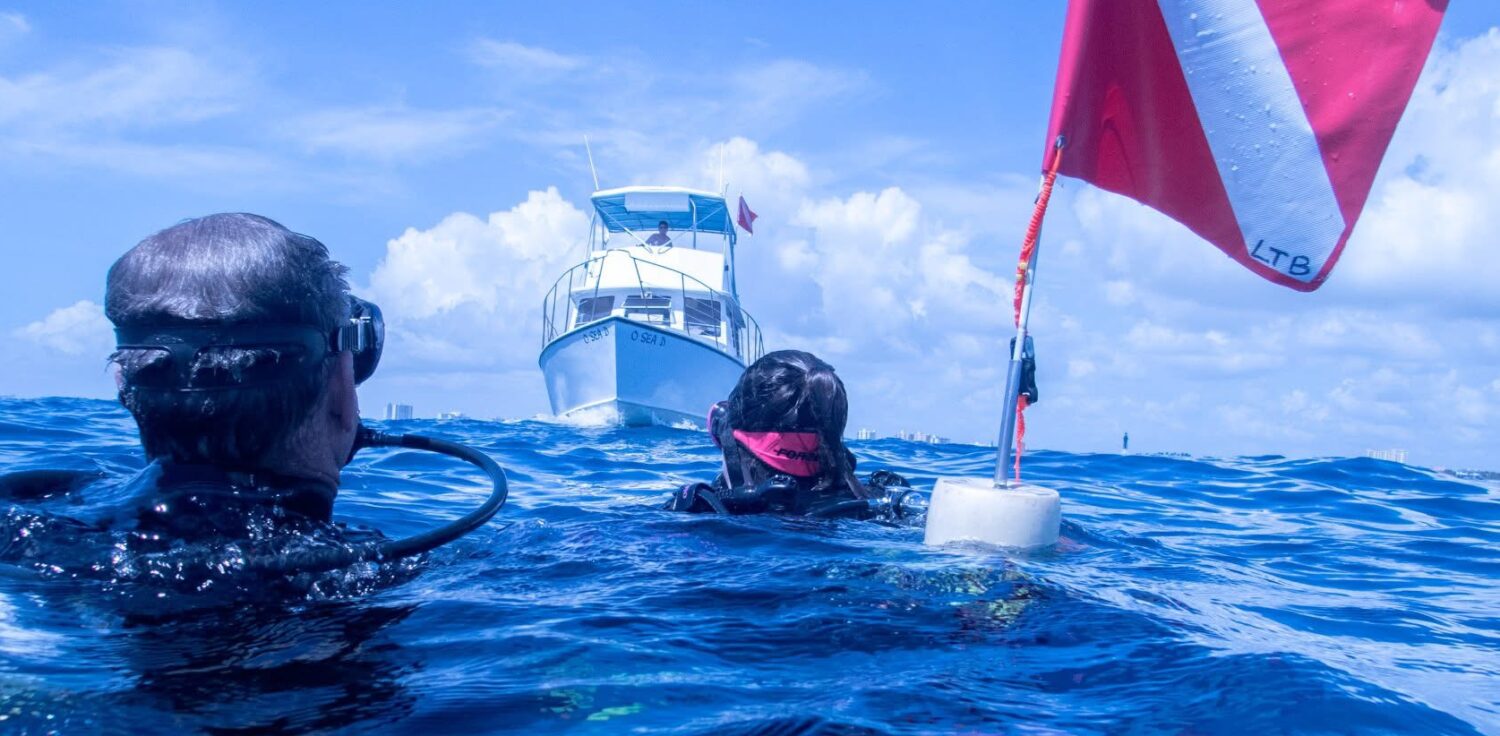
The current carries divers along the reef while the boat follows overhead.
Because drift diving differs from traditional shore or anchored boat diving, obtaining proper training is highly recommended.
Certified drift divers often report that these experiences become some of their favorite underwater adventures.
Why South Florida Is a Hub for Technical Diving
As divers gain experience, many seek greater challenges.
This is where Technical diving Florida opportunities become especially attractive.
South Florida offers:
- Deep artificial reefs
- Historic shipwrecks
- Offshore ledges
- Advanced training facilities
- Experienced technical instructors
Technical diving requires commitment and discipline, but it can unlock underwater environments inaccessible to recreational divers.
For those interested in progressing beyond standard recreational limits, South Florida provides one of the best training environments in North America.
Final Thoughts
Earning a scuba certification is one of the most rewarding investments an adventure enthusiast can make. The warm waters, thriving marine ecosystems, and diverse dive opportunities available through Scuba Diving South Florida create an ideal environment for both beginners and experienced divers.
By choosing the right training agency, mastering foundational skills, understanding local conditions, pursuing specialty certifications, building experience before entering Diving south Florida, investing in quality equipment, and committing to lifelong learning, divers can establish a strong foundation for years of safe underwater exploration.
Whether your goal is to enjoy colorful reef dives, experience A drift diving Pompano Beach adventure, or eventually pursue advanced technical certifications, following these seven certification tips will help you maximize both safety and enjoyment beneath the surface.