
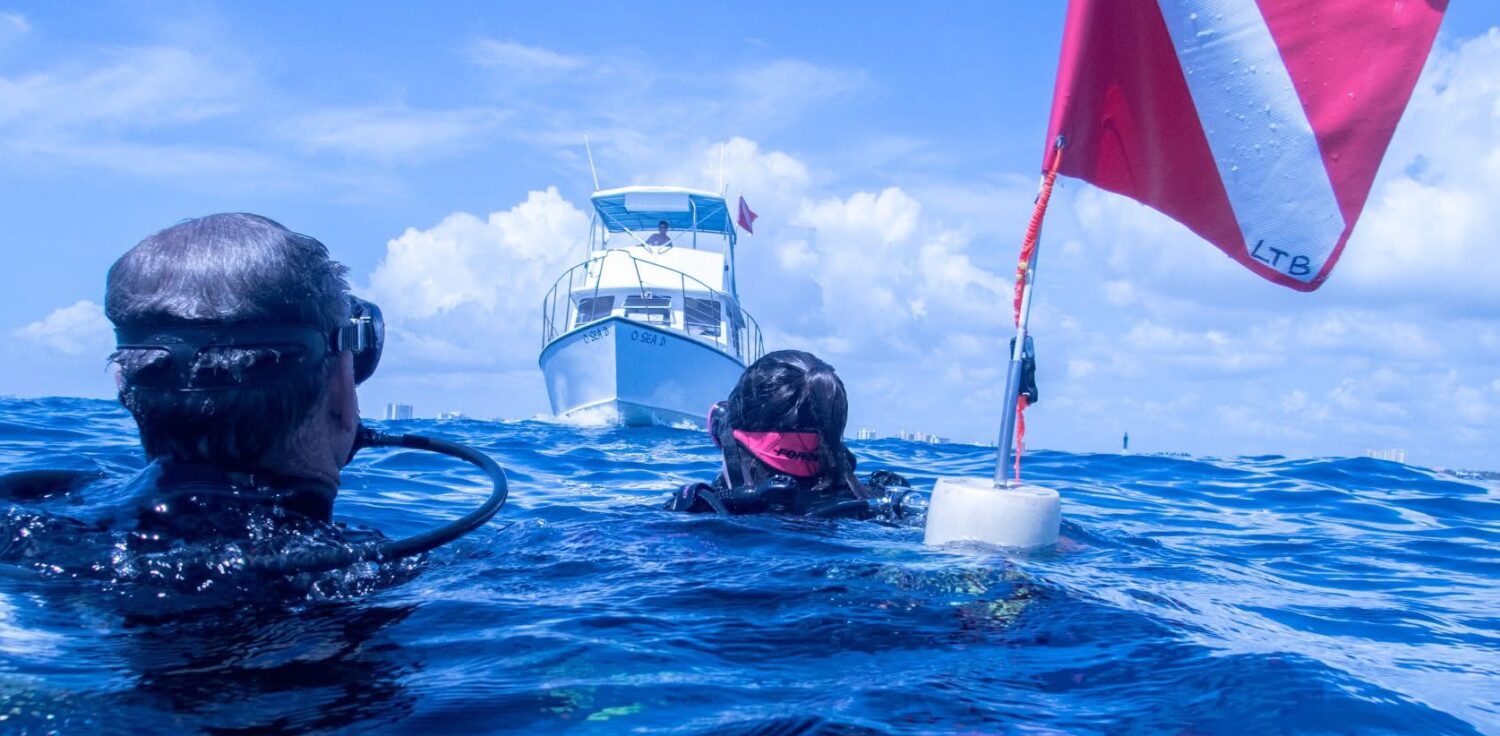
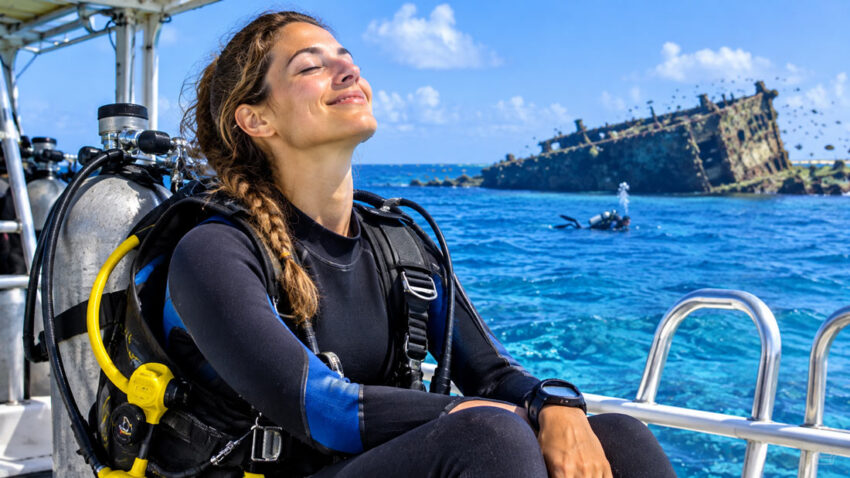
Preparing for Scuba Diving Trips Florida involves more than packing diving equipment and choosing a destination. Mental preparation, physical readiness, proper planning, and communication with your dive operator all contribute to a comfortable and enjoyable experience. Nervousness before entering the water is common, but managing it properly can help divers feel more confident and focused.
Scuba diving is an exciting way to explore the underwater world, discover colorful marine life, and experience the beauty of Florida’s coastal waters. From vibrant coral reefs and fascinating shipwrecks to encounters with sea turtles, tropical fish, and other marine creatures, Florida offers unforgettable underwater adventures for divers of different experience levels. However, even an exciting diving adventure can cause stress, particularly for beginners or people who have not been underwater for a long time.
Whether you are planning your first dive, joining experienced divers, or exploring the beautiful waters of South Florida, taking a few simple steps can make a significant difference. Here are five practical ways to reduce stress before your next scuba diving adventure in Florida.
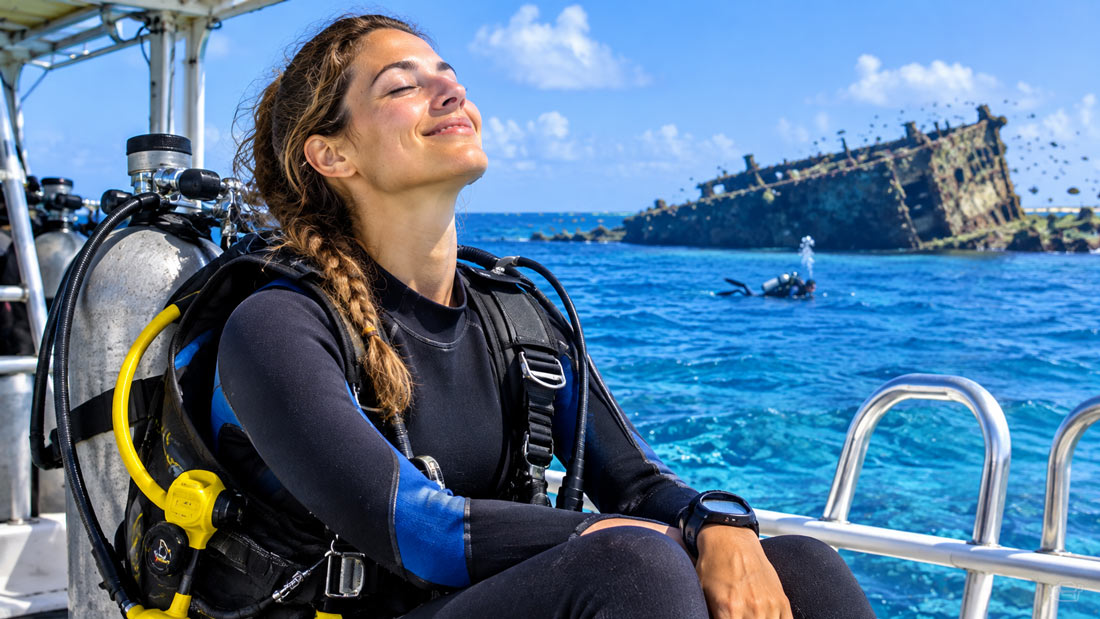
1. Plan Your Diving Trip in Advance to Avoid Last-Minute Pressure
One of the most effective ways to reduce pre-dive stress is to organize your trip well before departure. Uncertainty about transportation, departure times, diving equipment, weather conditions, and schedules can create unnecessary anxiety. Proper planning allows you to focus on enjoying the experience rather than worrying about things that could have been handled earlier.
Florida has numerous diving destinations, including Pompano Beach, Fort Lauderdale, West Palm Beach, and the Florida Keys. Each destination offers different underwater environments, marine life, and diving experiences. Depending on your interests and experience, you may choose reef diving, wreck exploration, drift diving, or a relaxed snorkeling excursion.
Before booking your trip, consider the following preparations:
- Research your diving destination: Learn about the dive site’s depth, water conditions, currents, visibility, and expected marine life.
- Confirm your reservation: Contact the dive operator to verify departure times, meeting locations, trip duration, and equipment availability.
- Check weather conditions: Florida’s coastal weather can change, so review marine forecasts and follow the operator’s guidance about cancellations or schedule changes.
- Prepare your documents: Keep your diving certification, identification, medical information, and booking confirmation accessible.
- Organize your transportation: Arrange transportation to the marina or departure point so you do not have to rush on the morning of your trip.
It is also important to select a dive experience that matches your certification and comfort level. Beginners should avoid booking challenging dives simply because they appear exciting. A manageable dive plan helps reduce uncertainty and builds confidence.
For example, if you are visiting South Florida for the first time, you might begin with a guided reef dive rather than choosing a demanding Scuba Diving Trips Florida. Once you become familiar with the local conditions, you can explore more challenging underwater locations with appropriate training and supervision.
Why this helps: Planning removes avoidable surprises. When you know where to go, what to bring, and what to expect, you can approach your diving adventure with a calmer and more positive mindset.
2. Choose Experienced Dive Operators and Reliable Scuba Diving Trips Florida
The quality of your dive operator can significantly influence your overall experience. Even experienced divers may feel nervous when visiting an unfamiliar destination, particularly when they do not know the crew, equipment, boat arrangements, or diving procedures.
Choosing a professional and experienced operator can make your trip more comfortable. Reliable South Florida dive boats should have knowledgeable crews, appropriate safety equipment, organized boarding procedures, and clear communication with passengers.
Before making a reservation, take some time to evaluate the operator.
Look for qualified dive professionals
Choose an operator that employs appropriately trained and experienced dive professionals. Instructors and dive-masters should understand local diving conditions and be able to explain the procedures clearly.
Ask about boat facilities
A comfortable boat can make a considerable difference, especially if you are spending several hours offshore. Ask about available seating, shaded areas, restrooms, freshwater rinsing facilities, and storage space for personal belongings.
Understand the safety arrangements
Ask about emergency equipment, oxygen availability, communication systems, first-aid provisions, and the crew’s emergency procedures. A professional operator should be willing to explain its safety arrangements.
Communicate your experience level
Let the operator know whether you are a beginner, an occasional diver, or an experienced scuba enthusiast. Mention any concerns about deep water, currents, boat entries, or previous uncomfortable experiences.
Read customer reviews
Reviews can help you understand how an operator treats customers, maintains its equipment, manages dive groups, and communicates with passengers.
An experienced crew can also help reduce stress by explaining the diving process before departure. Knowing how to enter the water, where to store your equipment, and what to expect during the journey makes the experience more predictable.
Remember that a professional dive operator should never pressure you into participating in an activity that exceeds your training or comfort level.
Why this helps: A knowledgeable crew and properly organized boat operation provide reassurance. When you trust the people responsible for your trip, you can concentrate more fully on your underwater experience.
3. Practice Relaxation Techniques and Prepare Yourself Mentally
Mental preparation is just as important as physical preparation before scuba diving. Some people experience nervousness because they are unfamiliar with breathing underwater, while others worry about equipment problems, marine animals, underwater visibility, or losing contact with their dive buddy.
These feelings are not unusual. However, excessive anxiety can affect concentration, breathing patterns, and decision-making. Learning to manage stress before entering the water can help you remain calm and attentive.
Here are several techniques worth practicing.
Try controlled breathing
Before boarding the boat or entering the water, find a comfortable position and take a few moments to relax. Breathe naturally and slowly without forcing deep breaths or holding your breath. Allow your body to settle before continuing with your preparations.
Remember that breathing underwater must follow your scuba training. Never hold your breath while scuba diving.
Practice visualization
Visualization involves mentally imagining a positive diving experience. Picture yourself boarding the boat, listening to the dive briefing, checking your equipment, entering the water calmly, and swimming comfortably alongside your buddy.
This technique can help reduce uncertainty by making the experience feel more familiar.
Avoid overwhelming yourself with information
Learning about diving safety is important, but repeatedly reading frightening accident stories immediately before your trip can increase anxiety. Focus on reliable educational information, your training, and the instructions provided by your dive professional.
Use mindfulness
Mindfulness encourages you to focus on the present rather than worrying about things that might happen. Pay attention to your surroundings, listen to the crew, and complete one preparation task at a time.
Talk about your concerns
If you are nervous, tell your instructor or dive-master. They may be able to explain unfamiliar procedures, recommend a more suitable dive site, or provide additional guidance.
Divers Alert Network (DAN) explains that anxiety can affect a diver’s ability to recognize and respond appropriately to demanding situations. Recognizing stress early and addressing its causes is therefore an important part of diving safety.
DAN World+1
Why this helps: Mental preparation allows you to approach diving with realistic expectations. Rather than focusing on possible problems, you can concentrate on following your training and enjoying the underwater environment.
4. Get Enough Rest, Stay Hydrated, and Prepare Your Body
Physical discomfort is another common source of stress before scuba diving. Lack of sleep, dehydration, fatigue, excessive sun exposure, and poor eating habits can make a diving trip more difficult than expected.
Florida’s warm climate can also be physically demanding, especially for visitors who are not accustomed to spending extended periods outdoors. Taking care of your body before departure can improve your comfort and help you stay focused.
Consider these simple preparations.
Get sufficient sleep
Try to get a full night’s rest before your scheduled diving trip. Avoid staying up late organizing equipment or traveling unnecessarily close to departure time. Being well-rested can help you concentrate during equipment checks and safety briefings.
Drink enough water
Spend the day before your trip maintaining good hydration. Continue drinking water throughout the morning and during the boat trip, as appropriate. Sun exposure, physical activity, and seasickness can contribute to dehydration.
Eat a balanced meal
Avoid going on a boat trip with an empty stomach, but do not eat an excessively heavy meal immediately before departure. Choose familiar foods that you know your body tolerates well.
Avoid alcohol before diving
Alcohol can impair judgment, coordination, and decision-making. Avoid alcohol before diving and follow recognized diving safety guidance.
Maintain reasonable fitness
Scuba diving does not always require intense physical activity, but basic cardiovascular fitness, swimming ability, and general physical conditioning can make the experience more comfortable.
Walking, swimming, and gentle stretching can help you maintain an active routine before your trip. However, avoid exhausting workouts immediately before diving.
Pay attention to your health
Do not dive when you are ill, unusually fatigued, or experiencing symptoms that could interfere with safe diving. Congestion can make equalizing difficult, and certain medical conditions or medications may require professional evaluation.
If you have concerns about your medical fitness, consult a physician familiar with diving medicine before participating.
A relaxed and physically prepared diver is generally better positioned to handle the demands of the activity. Proper preparation also makes it easier to enjoy the journey aboard South Florida dive boats without unnecessary discomfort.
Why this helps: Good sleep, hydration, nutrition, and physical readiness support concentration and comfort. They also reduce avoidable physical stress before and during the diving experience.
5. Start With Comfortable Activities Such as Snorkeling South Florida
Not every underwater adventure needs to begin with a challenging scuba dive. If you are new to underwater activities or feel uncomfortable about entering deep water, starting with snorkeling can be a useful way to become familiar with the marine environment.
Snorkeling South Florida provides an opportunity to observe tropical fish, coral formations, and other marine life while remaining near the water’s surface. It can be a relaxing introduction for people who want to experience Florida’s underwater attractions without immediately committing to scuba diving.
There are several reasons why snorkeling can be a suitable starting point.
Become familiar with the water
Snorkeling helps you become more comfortable with floating, using a mask, and breathing through a snorkel. These experiences may make your first scuba diving session feel less unfamiliar.
Explore marine life at a comfortable pace
South Florida has beautiful coastal environments where visitors can observe fish, coral, and other marine species. Snorkeling allows you to appreciate these environments without the additional equipment and training requirements of scuba diving.
Build confidence gradually
If you are nervous about underwater activities, beginning with a supervised snorkeling excursion may help you understand how you feel in the water.
Enjoy an alternative experience
Snorkeling is also an excellent option for families and travel companions who are not certified divers. It allows everyone to enjoy an aquatic adventure even when not all participants are interested in scuba diving.
Understand the difference between snorkeling and scuba diving
Although snorkeling can help you become familiar with the water, it does not replace scuba certification or practical diving training. Scuba diving involves additional equipment, pressure-related considerations, underwater communication, buoyancy control, and emergency procedures.
If you are interested in trying scuba diving, consider enrolling in an introductory experience or certification course with a qualified instructor.
You should also remember that snorkeling has its own safety considerations. Use properly fitted equipment, follow local conditions and operator instructions, use appropriate flotation support when needed, and never snorkel alone.
Why this helps: Starting with a comfortable water activity can reduce the feeling of unfamiliarity. It gives beginners an opportunity to enjoy Florida’s marine environment while building confidence at their own pace.
Additional Tips for a More Comfortable Scuba Diving Trips Florida
Beyond these five main strategies, a few additional habits can make your diving trip more enjoyable.
- Arrive early: Give yourself enough time to find the marina, park, meet the crew, and organize your equipment.
- Pack essential items: Bring sunscreen, sunglasses, a towel, swimwear, comfortable clothing, and drinking water.
- Avoid unnecessary pressure: Do not compare your abilities with other divers. Everyone develops underwater confidence at a different pace.
- Stay close to your buddy: Follow the agreed dive plan and maintain communication using established underwater signals.
- Ask questions: If you do not understand an instruction or equipment procedure, ask your instructor or dive-master for clarification.
- Respect your limits: You can postpone or cancel a dive if you feel unwell, uncomfortable, or insufficiently prepared.
Most importantly, remember that scuba diving should be an enjoyable activity rather than an obligation. You do not need to participate in every dive simply because you have booked a trip.
What Makes Florida an Excellent Destination for Relaxing Diving Adventures in Scuba Diving Trips Florida?
Florida is one of the most attractive destinations in the United States for underwater exploration. Its warm coastal waters, diverse marine ecosystems, coral reefs, and historic shipwrecks provide plenty of opportunities for divers and snorkelers.
Some popular diving areas include:
- Pompano Beach: Known for reef diving, drift diving opportunities, and access to offshore wrecks.
- Fort Lauderdale: Offers reef systems and shipwreck diving experiences suitable for different certification levels.
- West Palm Beach: Popular for drift diving and opportunities to encounter diverse marine life.
- Florida Keys: Famous for coral reefs, clear-water snorkeling opportunities, and underwater attractions.
The best destination depends on your interests, certification, experience, and prevailing marine conditions.
For travelers planning Scuba Diving Trips Florida, choosing a suitable location and an experienced local operator can make the adventure more comfortable. Before departure, ask about the expected water conditions, current strength, visibility, and depth of the selected dive site.
You should also remain flexible. Weather, currents, and sea conditions can affect diving plans, and a responsible operator may change the destination or postpone a trip when conditions are unsuitable.
Frequently Asked Questions (FAQs)
1. How can beginners reduce anxiety before scuba diving?
Beginners can reduce anxiety by completing proper training, practicing essential skills, choosing an appropriate dive site, and communicating their concerns to an instructor. Relaxation techniques and a clear understanding of the diving process can also improve confidence.
2. Are Scuba Diving Trips Florida suitable for first-time divers?
Yes. Florida offers introductory diving experiences and certification courses for beginners. However, first-time divers should choose professionally supervised activities that match their training and experience rather than attempting advanced dives independently.
3. Is snorkeling a good way to prepare for scuba diving?
Snorkeling can help beginners become familiar with masks, breathing through a snorkel, and floating in the water. However, it does not replace scuba certification or the skills required for safe underwater diving.
4. What should I bring on South Florida dive boats?
Common essentials include swimwear, a towel, sunscreen, sunglasses, drinking water, personal diving equipment if applicable, and your certification card. Confirm the operator’s equipment and packing requirements before departure.
5. What should I do if I feel nervous immediately before entering the water?
Tell your dive professional or buddy that you are uncomfortable. Take time to assess the situation, listen to the safety instructions, and avoid rushing. If you cannot become comfortable or feel unable to dive safely, postpone the dive.
6. Can experienced divers experience pre-dive stress?
Absolutely. Experienced divers can also experience anxiety when visiting unfamiliar locations, using unfamiliar equipment, encountering challenging conditions, or returning to diving after an extended break. Proper preparation and staying within personal limits remain important at every experience level.
Final Thoughts
Scuba diving is an opportunity to experience Florida’s underwater beauty, discover fascinating marine ecosystems, and create memorable travel experiences. However, enjoying the adventure begins long before entering the water.
Planning your trip, choosing professional dive operators, practicing relaxation techniques, maintaining physical fitness, and gradually building confidence through activities such as snorkeling can help reduce unnecessary stress.
Whether you are exploring the reefs of Pompano Beach, discovering shipwrecks near Fort Lauderdale, or enjoying Scuba Diving Trips Florida, preparation makes a meaningful difference. Choose reliable Scuba Diving Trips Florida, listen carefully to your dive professionals, and always respect your training and comfort level. With the right preparation and a responsible approach, your next Florida diving adventure can be safer, more comfortable, and far more enjoyable