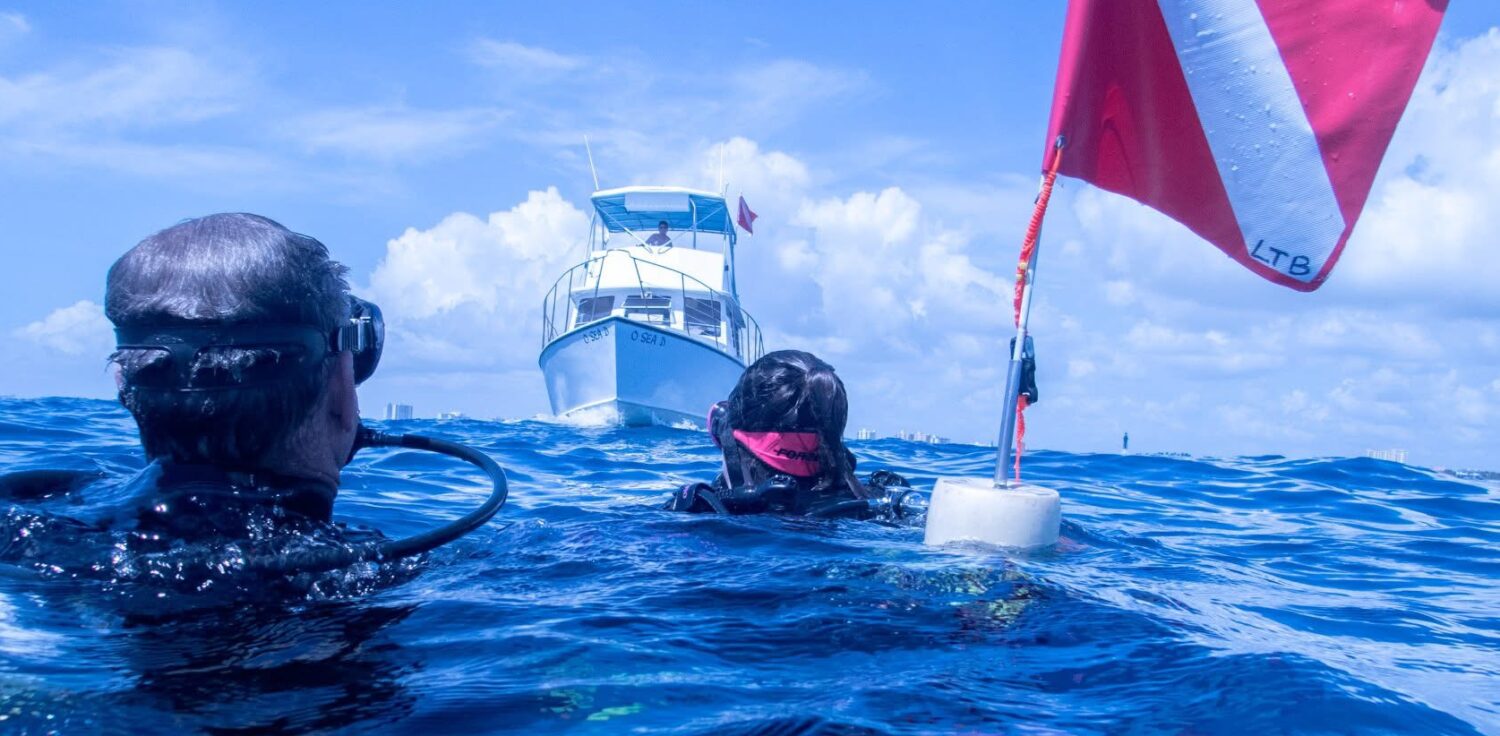
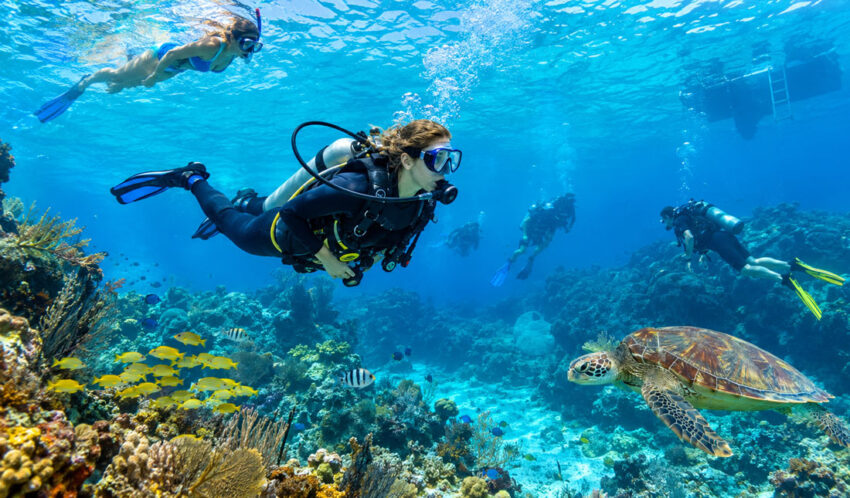
Diving South Florida offers an especially wide range of underwater experiences. The region is known for reefs, wrecks, marine life, drift diving, and clear coastal waters. That variety means there are opportunities for people with different levels of experience, but choosing the right type of dive is important.
Diving is one of those activities that can look completely different depending on your experience level. A first-time diver may be learning how to breathe comfortably underwater, while an experienced diver may be planning a deeper wreck exploration or navigating a current with confidence. Understanding where you fit on that spectrum can make your time in the water safer, more comfortable, and much more enjoyable.
This guide explains six practical skill levels, from beginners to highly experienced divers. It also answers common questions about Snorkeling South Florida and Scuba diving south Florida, helping you understand what each level typically involves and how to progress responsibly.
6 Skill Levels Explained for Diving South Florida
What Are Diving Skill Levels?
Diving skill levels are a practical way to describe a diver’s training, experience, comfort in the water, and ability to manage different underwater conditions.
There is no single universal system that assigns every diver to exactly six levels. Certification agencies use their own course structures and terminology. However, the six levels below provide an easy way to understand the progression from someone discovering underwater activities to a diver with substantial experience and advanced training.
Your certification is important, but so are your recent dive experience, comfort level, physical condition, and familiarity with the environment.
A diver who has completed advanced training but has not been underwater for several years may need a refresher before attempting a challenging dive. Likewise, a newer diver who has several recent, comfortable dives may be ready for experiences appropriate to their training.
Level 1: Beginner and First-Time Diver
The first level is for people who are new to scuba or have very limited experience.
For many people, their first underwater experience starts with Snorkeling South Florida. Snorkeling allows you to observe the ocean from the surface without managing scuba equipment. It can be a relaxed way to become familiar with breathing through a snorkel, using fins, and observing marine life.
Scuba diving introduces additional skills. Beginners learn how to:
- Assemble and check basic equipment
- Breathe comfortably from a regulator
- Clear a mask
- Recover and replace a regulator
- Control buoyancy
- Equalize pressure
- Communicate with hand signals
- Respond to basic underwater problems
- Enter and exit the water safely
A beginner’s biggest goal should not be depth. It should be comfort and control.
Being slightly nervous before your first dive is completely normal. The underwater environment is unfamiliar, and learning to trust your equipment takes time. A good instructor or experienced dive professional can make a significant difference by explaining procedures clearly and allowing you to progress at a comfortable pace.
For Diving South Florida, beginners should generally choose conditions that match their training and experience rather than simply selecting the most exciting-looking dive site.
Beginner Tip
Do not be embarrassed to say that you are nervous or unsure about something. Good diving is built around communication. Asking a question before entering the water is much better than trying to solve a problem after descending.
Level 2: Newly Certified Diver
A newly certified diver has completed basic scuba training and can participate in recreational dives within the limits of their certification.
Certification gives you an important foundation, but it does not mean you have mastered every diving environment.
Your first dives after certification are an opportunity to build experience. You are learning how your equipment feels in real-world conditions, how your buoyancy changes during a dive, and how to remain relaxed while monitoring air supply and surroundings.
During this stage, divers should focus on:
- Improving buoyancy control
- Maintaining awareness of their buddy
- Monitoring air consumption
- Practicing slow and controlled ascents
- Becoming comfortable with different entries and exits
- Learning to recognize changing conditions
- Developing better underwater communication
This level can be particularly enjoyable for Scuba diving south Florida because there are recreational sites that can help newer divers gain experience without immediately moving into highly demanding environments.
A newly certified diver should resist the temptation to compare themselves with people who have hundreds of dives. Every experienced diver was once a beginner.
Newly Certified Diver Tip
Keep a personal dive log. Record the location, depth, conditions, equipment, air consumption, and anything you learned. Over time, your log becomes a useful record of your experience and can help you identify areas where additional practice would be beneficial.
Level 3: Confident Recreational Diver
At this stage, a diver has accumulated enough experience to feel comfortable handling normal recreational conditions.
Confidence does not mean becoming careless. In fact, experienced recreational divers often become more cautious because they understand how quickly conditions can change.
A confident recreational diver typically has stronger control over:
- Buoyancy
- Trim and body position
- Air management
- Navigation
- Buddy awareness
- Equipment checks
- Underwater communication
They may also have experience in different conditions, such as mild current, reduced visibility, deeper recreational dives within certification limits, or different types of entry.
This is where Diving South Florida can become especially rewarding. Instead of spending most of the dive thinking about equipment, you can devote more attention to marine life, reef structures, wrecks, photography, and the overall underwater environment.
The transition from basic competence to genuine comfort takes repetition. There is no need to rush it.
Confident Diver Tip
Practice buoyancy deliberately. Being able to hover calmly without constantly changing depth makes diving more enjoyable and helps reduce unnecessary movement around reefs and marine life.
Level 4: Advanced Recreational Diver
Advanced divers generally have additional training and experience that allows them to participate in a broader range of recreational diving activities.
Depending on their training, this may include areas such as:
- Deeper recreational diving
- Navigation
- Night diving
- Wreck diving
- Drift diving
- Limited-visibility environments
- Specialized recreational equipment
Additional certification does not automatically make someone ready for every advanced environment. Training should match the dive being planned.
For example, someone with experience in warm, calm water should not assume that they are automatically prepared for strong current or challenging conditions. Each environment creates its own demands.
South Florida can provide a variety of underwater conditions, making appropriate preparation particularly important. A diver planning an advanced experience should understand the site’s depth, current, entry and exit procedures, weather, visibility, bottom conditions, and emergency considerations.
Advanced Diver Tip
Before every dive, ask yourself a simple question: “Is this dive appropriate for my current skills and recent experience?”
That question can prevent a surprising number of poor decisions.
Level 5: Highly Experienced Recreational Diver
A highly experienced diver has accumulated substantial time underwater and has developed strong situational awareness.
Experience is more than counting dives. A diver with 300 dives in nearly identical conditions may have less experience with a particular environment than someone with fewer dives but broader exposure to different conditions.
Highly experienced divers typically demonstrate:
- Excellent buoyancy and trim
- Strong situational awareness
- Consistent equipment preparation
- Effective gas management
- Calm responses to unexpected situations
- Strong buddy communication
- Good understanding of environmental conditions
- The ability to recognize personal limitations
For Scuba diving south Florida, experience can help a diver appreciate the smaller details that are easy to miss when concentrating entirely on basic skills.
Instead of simply seeing “a reef,” an experienced diver may notice cleaning stations, small crustaceans, unusual fish behavior, coral formations, or changes in the environment.
Experience also changes how you approach marine life. The goal is observation rather than interaction. Divers should avoid touching, chasing, feeding, or disturbing animals.
Experienced Diver Tip
Share your knowledge without pressuring newer divers. A calm, supportive buddy can make a major difference to someone’s confidence and enjoyment.
Level 6: Advanced and Specialized Diver
The sixth level represents divers with extensive experience and specialized training. These divers may pursue demanding recreational or technical specialties depending on their education and goals.
Specialized training can cover areas such as:
- Advanced wreck diving
- Technical diving
- Decompression procedures
- Specialized navigation
- Advanced night diving
- Underwater photography
- Search and recovery
- Dive leadership
- Rescue and emergency response
At this level, the emphasis shifts even more toward preparation, risk management, and discipline.
A highly trained diver should never assume that certification alone makes a particular dive safe. Specialized environments require specialized preparation.
For example, a diver trained for deeper diving must understand the specific gas-management, decompression, equipment, and emergency considerations associated with that type of activity.
The best advanced divers often have something in common with beginners: they respect the ocean and understand their own limitations.
How Do You Know Which Level Is Right for You?
Your appropriate diving level depends on more than the number printed on a certification card.
Consider five factors:
1. Your Certification
Your training determines which activities you are formally prepared to undertake. Always stay within the limits of your certification and experience.
2. Your Recent Experience
A diver who has not been underwater for a long time may benefit from a refresher before returning to more demanding conditions.
3. Your Comfort Level
If you feel uncomfortable with a particular environment, that is useful information. You do not need to prove anything to anyone underwater.
4. The Conditions
Current, visibility, depth, waves, weather, water temperature, and entry or exit conditions can all affect the difficulty of a dive.
5. Your Equipment Familiarity
Using unfamiliar equipment can increase workload. Take time to understand how your equipment operates before entering the water.
Where Does Snorkeling Fit Into Diving Skill Levels?
Snorkeling South Florida is not a scuba certification level, but it can be an excellent introduction to enjoying the marine environment.
Snorkeling requires fewer pieces of equipment and allows participants to remain at the surface. It can be suitable for people who are not ready for scuba or simply prefer a surface-based experience.
Good snorkeling skills include:
- Comfortable swimming
- Proper fin technique
- Effective mask use
- Controlled breathing
- Awareness of waves and currents
- Respect for marine life
Snorkeling is also a good reminder that you do not have to dive deep to appreciate South Florida’s underwater world.
How Can You Improve Your Diving Skills?
Improvement comes from a combination of training, practice, observation, and experience.
One of the most effective approaches is to identify one skill at a time.
For example, if your buoyancy needs improvement, focus on maintaining a stable position during several dives rather than trying to master every skill simultaneously.
You can also consider additional training in areas that interest you. Navigation courses can improve underwater orientation, while rescue training can strengthen your ability to respond to problems.
Another useful habit is reviewing your dive afterward.
Ask yourself:
- What went well?
- What felt uncomfortable?
- Did I manage my air efficiently?
- Was my buoyancy controlled?
- Did I communicate effectively?
- What would I do differently next time?
This kind of honest reflection can help you become a safer and more confident diver.
Safety Should Always Come Before Adventure
The excitement of Diving South Florida can make it tempting to choose the most dramatic experience available. However, the best dive is one where everyone returns to the surface safely.
Before diving, check the weather and sea conditions, review the dive plan with your buddy or dive team, inspect your equipment, and understand the site’s specific procedures.
Never allow another diver’s confidence to pressure you into a dive that exceeds your training or comfort level.
Likewise, do not let a certification card convince you that you must complete a particular dive. Conditions matter, recent experience matters, and personal readiness matters.
If something does not feel right before entering the water, speak up.
Respecting South Florida’s Marine Environment
Skill development should also include learning how to interact responsibly with the underwater environment.
Whether you are snorkeling or Scuba diving south Florida, remember that reefs and marine animals are living ecosystems.
Responsible visitors should:
- Avoid touching coral
- Maintain appropriate distance from marine animals
- Never chase wildlife
- Avoid standing on reef structures
- Secure loose equipment
- Follow local environmental guidelines
- Take photos without disturbing animals
- Leave natural objects where they are found
Good buoyancy is particularly valuable because it helps divers move through the water without accidentally contacting the reef.
The goal is to leave the underwater environment looking as natural as it did before your visit.
Frequently Asked Questions About Diving South Florida
What skill level do I need for Diving South Florida?
It depends on the specific dive site and conditions. Beginners can participate in appropriate introductory experiences, while advanced sites may require additional training and experience.
Is Snorkeling South Florida suitable for beginners?
Yes. Snorkeling can be a comfortable way for beginners to experience the marine environment from the surface, provided they are comfortable in the water and conditions are suitable.
Is scuba diving difficult to learn?
The basic skills can be learned through proper instruction and practice. The key is progressing gradually and developing comfort rather than rushing toward more challenging dives.
How many dives do I need before trying deeper dives?
There is no single number that applies to everyone. Certification, recent experience, comfort, training, and the actual conditions all matter. Follow the recommendations of your instructor or dive professional.
Can I dive if I have not been underwater for a long time?
You may need a refresher depending on how long it has been and your previous experience. Reviewing essential skills before returning to regular diving can help rebuild confidence.
What is the most important scuba diving skill?
There is no single skill that guarantees a good dive, but buoyancy control, situational awareness, communication, and calm decision-making are all extremely important.
Final Thoughts
There is no race to become an advanced diver.
The six skill levels provide a useful way to understand your progression, but your personal journey will be different from someone else’s. Some people love relaxed reef dives, while others eventually become passionate about wrecks, night diving, photography, or specialized training.
Whether you are trying Snorkeling South Florida for the first time, completing your initial scuba certification, or building experience as an advanced diver, the most important principles remain the same: prepare carefully, know your limits, respect the ocean, and enjoy the experience.
South Florida offers an incredible variety of underwater opportunities. With the right training and a thoughtful approach, divers at many experience levels can discover something new beneath the surface.
The best measure of progress is not how deep you go or how difficult the dive looks. It is how confidently, responsibly, and respectfully you can enjoy the underwater world.