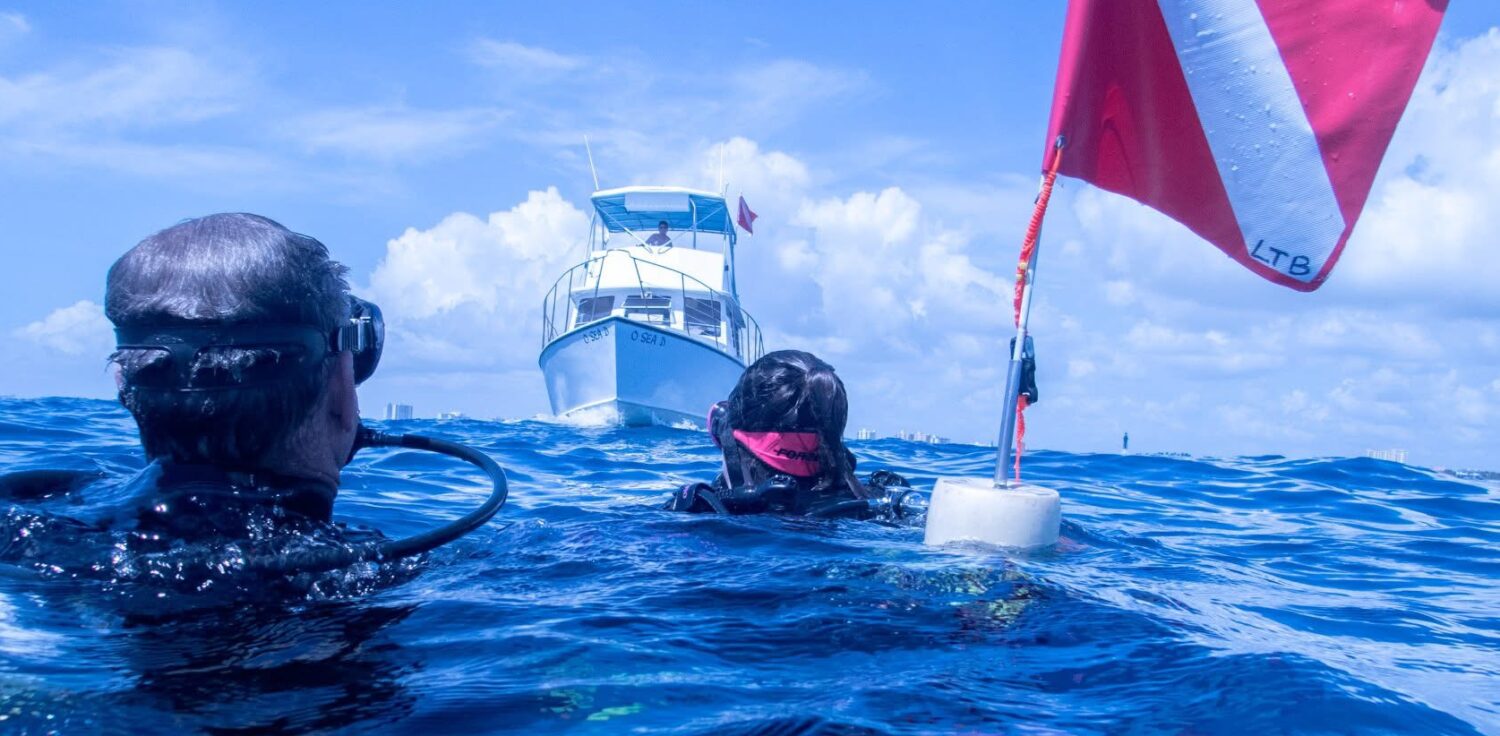
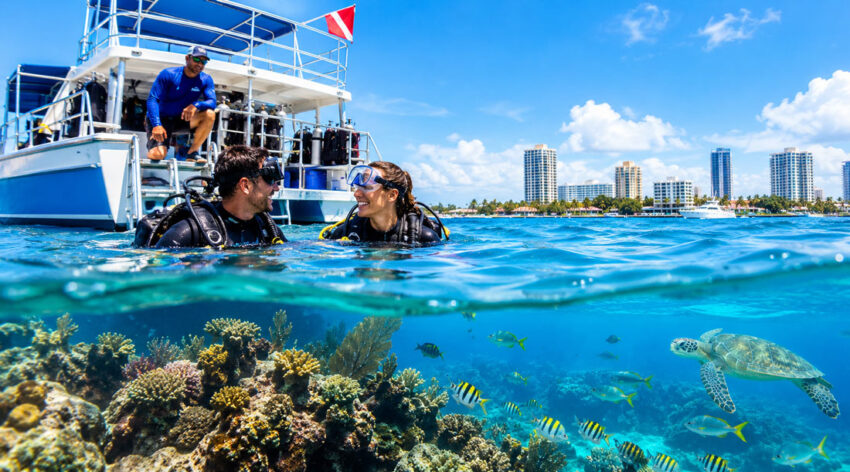
A good Fort Lauderdale Dive Charter does more than take divers offshore. The right trip considers experience level, weather, sea conditions, certification, interests, and the type of underwater experience each diver hopes to have.
Choosing a dive route in South Florida can be exciting, but it can also feel a little overwhelming. The coastline is home to reefs, wrecks, ledges, artificial structures, drift-dive sites, and deeper offshore environments. For a diver visiting the area for the first time, the question is often simple: Which route should I choose?
Some divers want an easy reef dive where they can slow down and look for tropical fish. Others are fascinated by shipwrecks, deeper profiles, marine photography, or the feeling of drifting effortlessly with the current. Experienced divers may also be interested in more demanding environments associated with Technical diving Florida.
There is no single route that is perfect for everyone. The best dive is one that matches your abilities and expectations while allowing you to enjoy the ocean without unnecessary pressure.
Fort Lauderdale Dive Charter: 10 Route Options Offered
1. Shallow Reef Routes for Relaxed Diving
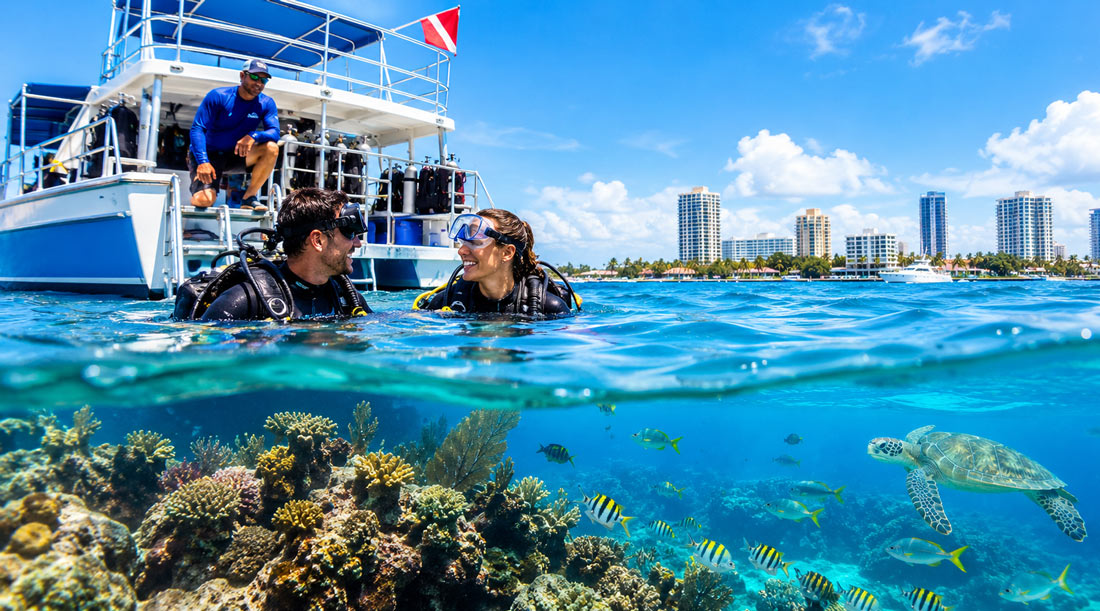
Shallow reef routes are often an excellent choice for recreational divers who want to enjoy marine life without immediately committing to a deep dive. These sites can provide opportunities to see colorful reef fish, coral formations, sponges, rays, and other marine life.
Because the profile is generally shallower than many offshore wreck routes, divers can spend more time observing their surroundings and becoming comfortable with their equipment. For newer certified divers, a shallow reef can also be a confidence-building experience.
Conditions still matter, of course. Visibility, current, waves, and other marine conditions can change from day to day. A site that feels calm and comfortable one morning may be different later in the week.
A shallow reef route can be suitable for newer certified divers, recreational divers, underwater photographers, and marine-life enthusiasts. The important thing is to choose a site that matches your certification, experience, and comfort level.
2. Pompano Beach Drift-Diving Routes
One of the distinctive experiences along the South Florida coastline is drift diving. Instead of constantly swimming against or across the current, divers can allow the current to carry them naturally along the reef while maintaining appropriate depth and position.
For someone researching A drift diving Pompano Beach experience, this style of diving can be especially memorable. Divers may cover a larger section of reef while using less effort, allowing more time to observe marine life and enjoy the underwater scenery.
Drift diving requires good buoyancy control and situational awareness. Divers should understand how to stay with their group, communicate with their buddy, monitor their depth, and follow the procedures explained during the dive briefing.
The current is not something to fight. It is part of the experience. A professional crew can explain what to expect before entering the water and help divers understand how the particular site operates.
For many divers, the appeal is the feeling of moving naturally with the ocean. Once properly positioned in the water, you can drift along while watching the reef pass beneath you.
3. Wreck-Diving Routes
South Florida has developed a strong reputation among divers who enjoy exploring underwater wrecks. Wrecks can attract marine life and provide an entirely different visual experience from a natural reef.
A ship resting underwater can become an artificial habitat where fish and other organisms make use of the structure. For recreational divers, some wrecks can be explored from the exterior, while more advanced wreck exploration may require additional training, specialized equipment, or specific certifications.
This distinction is important. A wreck may appear accessible from the outside, but penetration diving introduces additional hazards and should never be attempted without appropriate training and equipment.
When choosing a wreck route with a Fort Lauderdale Dive Charter, ask about the maximum depth, wreck size, current conditions, expected visibility, whether penetration is permitted, certification requirements, planned bottom time, and emergency procedures.
A good briefing helps turn curiosity into a responsible underwater adventure.
4. Deep Reef Routes
Deep reef routes can appeal to experienced recreational divers who want to explore formations farther below the surface. At greater depths, divers must pay closer attention to air consumption, nitrogen exposure, no-decompression limits, buoyancy, and overall dive planning.
The deeper you go, the more important preparation becomes. A diver should never assume that being comfortable on shallow reefs automatically means they are ready for a deeper profile.
Deep dives can offer spectacular scenery, but the objective should never be simply to reach the deepest possible point. Good diving is controlled diving.
For many experienced divers, the enjoyment comes from exploring a different underwater environment while maintaining a comfortable and disciplined profile.
5. Ledge and Drop-Off Routes
Ledges and drop-offs can create dramatic underwater landscapes. Instead of a relatively flat reef, divers may encounter walls, edges, overhangs, and changes in elevation where marine life gathers.
These areas can be particularly interesting for underwater photographers because changes in depth and structure can create different visual compositions. They can also require stronger situational awareness.
Divers should remain aware of their depth and avoid allowing curiosity to pull them beyond the limits of their training or dive plan. A colorful fish disappearing over a ledge may be tempting to follow, but there will always be another opportunity to explore.
Your dive plan should always come first.
6. Marine-Life-Focused Routes
Not every diver wants to see a particular wreck or underwater structure. Sometimes the goal is simply to observe marine life in its natural environment.
A marine-life-focused route can be ideal for photographers, nature enthusiasts, and divers who enjoy taking their time underwater. Depending on the location and conditions, divers may encounter angelfish, parrotfish, grouper, barracuda, rays, sea turtles, nurse sharks, moray eels, and many smaller reef creatures.
Marine life is never guaranteed, and that uncertainty is part of what makes diving special. You cannot schedule an ocean animal the way you schedule an appointment. You can choose a promising environment, but the wildlife decides what happens next.
This unpredictability can become one of the most enjoyable parts of a dive. A diver may enter the water expecting one type of experience and encounter something completely unexpected.
7. Photography-Friendly Routes
Underwater photography requires a different approach to diving. A photographer may spend several minutes observing a single subject, adjusting position, checking lighting, and waiting for the right moment.
That is why route selection matters. A reef with interesting structure and abundant marine life may be more rewarding for photography than a route designed around covering a large distance.
Photographers should also consider current strength, visibility, depth, and the amount of space available to position themselves without damaging the reef.
Buoyancy becomes particularly important when using a camera. Divers should never kneel, stand, or grab coral simply to stabilize themselves for a photograph.
The best underwater photographers are often the divers who can remain stable without touching the environment. Good buoyancy protects the reef while also helping photographers capture clearer images.
8. Two-Tank Multi-Site Routes
For divers who want variety, a two-tank trip can provide the opportunity to experience more than one underwater environment during the same outing. The first dive might focus on a reef while the second could explore a wreck or another nearby structure, depending on the day’s conditions and charter itinerary.
This type of route can be particularly appealing to visitors who have limited time in South Florida. Instead of choosing between different types of diving, a multi-site trip may allow you to experience more than one environment in a single day.
However, the actual sites should always depend on safe operating conditions and the captain or dive team’s assessment.
A professional charter may alter the planned route because of weather, current, visibility, boat traffic, or other operational considerations. That flexibility is a positive thing because the ocean does not always follow the schedule written on a website.
9. Advanced Routes for Experienced Divers
Experienced recreational divers may be interested in routes that involve deeper profiles, stronger currents, more complex navigation, or challenging underwater terrain. These dives can be rewarding, but experience should not be confused with certification.
A diver may have hundreds of dives and still require specific training for certain environments. This is particularly relevant when considering Technical diving Florida opportunities.
Technical diving goes beyond ordinary recreational diving limits and may involve specialized equipment, breathing gases, decompression procedures, redundant systems, and advanced planning.
Technical diving is not simply about going deeper. It is a highly structured discipline where preparation and risk management become even more important.
Divers interested in technical routes should work with properly qualified technical instructors or operators and make sure their certifications match the planned dive.
10. Customized Routes Based on Conditions and Diver Goals
Perhaps the most useful route option is a flexible itinerary. Rather than treating a route as completely fixed, experienced dive operators can consider the day’s conditions and the interests of the divers aboard.
For example, a group might prefer a calm reef in the morning, a wreck as the second dive, or a drift route when current conditions are favorable. A photography group might prefer a site with excellent visibility and interesting marine life.
This approach recognizes something important about diving: conditions are part of the destination. A good captain and crew understand that safety and enjoyment sometimes require changing the plan.
If a particular site is unsuitable that day, choosing another route is not a failure. It is responsible decision-making. The best dive operator is one that prioritizes safe and enjoyable diving over simply following a predetermined itinerary.
How Do I Choose the Right Fort Lauderdale Dive Charter Route?
Start with your own experience rather than the reputation of a particular site. Think about the type of diving you enjoy and the environments that interest you most.
If you love marine life, consider a reef or wildlife-focused route. If you enjoy history and underwater structures, a wreck may be a better choice. If you like the sensation of moving naturally with the ocean, drift diving could be an excellent option.
Your certification and recent diving experience should also influence your decision. Choose a route that matches your training and comfort level rather than selecting a dive simply because it sounds challenging.
Finally, consider the day’s weather and ocean conditions. Wind, waves, current, and visibility can influence which route is most suitable. A conversation with the dive operator before booking can help you make a more informed decision.
What Makes a Good Dive Charter Experience?
A memorable charter is not only about the underwater site. The crew also plays an important role in the overall experience.
Divers appreciate crews that communicate clearly, explain procedures, respect different experience levels, and create an atmosphere where people feel comfortable asking questions.
This is particularly important for divers visiting South Florida for the first time. A diver should never feel embarrassed about saying, “I’m not comfortable with that.”
Good dive professionals would rather have an honest conversation before a dive than deal with a preventable problem underwater.
The best charter experiences combine professionalism, safety, local knowledge, and a human approach.
How Does Technical Diving Differ From Recreational Diving?
Technical diving Florida generally involves diving beyond the limits of conventional recreational scuba training. Depending on the discipline, technical diving may involve deeper depths, planned decompression, overhead environments, or specialized breathing gases.
Technical divers use detailed dive plans and redundant equipment systems because the consequences of a problem at greater depth or during decompression can be significantly more serious.
If you are interested in progressing toward technical diving, do it gradually. Build strong fundamentals in buoyancy control, gas management, navigation, situational awareness, emergency procedures, and team communication before moving into more advanced environments.
Advanced equipment cannot replace solid diving skills.
Is Drift Diving Good for Beginners?
Drift diving can be enjoyable for newer divers, but suitability depends on the current, site, and diver’s training and comfort level. A mild drift over a familiar reef can be relaxing, while a stronger current requires better control and awareness.
Anyone considering A drift diving Pompano Beach experience should ask the operator about the expected current and whether the route is appropriate for their experience.
Listen carefully to the briefing, understand the entry and exit procedures, and stay with your buddy or group throughout the dive.
Tips for Making Your Dive Charter More Enjoyable
A little preparation can make your day on the water much smoother. Give yourself enough time to check in, organize your equipment, and listen to the dive briefing without feeling rushed.
Be honest with the crew about your experience. If you have not dived recently or feel uncertain about a particular type of dive, tell them. This information helps the crew recommend an appropriate route.
Inspect your mask, regulator, BCD, fins, computer, exposure protection, and other essential equipment before entering the water. If you are renting equipment, take time to become familiar with it before the boat leaves the dock.
Staying hydrated is also important. Spending time in the Florida sun and on a boat can leave you dehydrated, so bring water and follow the crew’s recommendations.
Finally, keep your expectations flexible. The route you imagined may change because of the ocean, but an unexpected site can sometimes become the dive you remember most.
Frequently Asked Questions
What dive routes are available from a Fort Lauderdale Dive Charter?
Depending on the operator, location, conditions, and diver qualifications, routes may include shallow reefs, deep reefs, wrecks, ledges, drift dives, photography-focused sites, marine-life routes, multi-site trips, and advanced diving environments.
Can beginners join a Fort Lauderdale Dive Charter?
Certified beginner divers can often join recreational charter trips when the selected site matches their training and comfort level. Beginners should communicate their experience to the crew before the trip so the operator can help select an appropriate route.
Is drift diving available near Pompano Beach?
Drift diving is a well-known style of diving in South Florida. Availability and suitability depend on the specific site, current, weather, sea conditions, and the operator’s schedule.
Do I need special training for technical diving?
Yes. Technical diving requires specialized training appropriate to the type of technical dive being conducted. Recreational certification alone does not qualify a diver for technical diving.
What should I ask before booking a dive charter?
Ask about the planned route, maximum depth, current, expected conditions, certification requirements, equipment availability, number of divers, surface intervals, and what happens if the planned site becomes unsuitable.
Final Thoughts
South Florida offers an impressive range of underwater experiences, and choosing the right route can make your trip much more enjoyable. From relaxed reef dives and marine-life encounters to wreck exploration, drift diving, deep reefs, and advanced Technical diving Florida, there are options for many different types of divers.
The most important consideration is not choosing the most famous or challenging route. It is choosing a dive that fits you.
A great Fort Lauderdale Dive Charter should give you the opportunity to explore while respecting your training, comfort, and safety. Whether you are interested in a calm reef, a fascinating wreck, underwater photography, or A drift diving Pompano Beach adventure, take time to understand what the dive involves.
The ocean rewards patience. Plan carefully, listen to your crew, respect marine life, stay within your training, and leave room for the unexpected. Those simple habits can turn an ordinary day on a boat into an underwater memory you will carry long after you leave South Florida.