
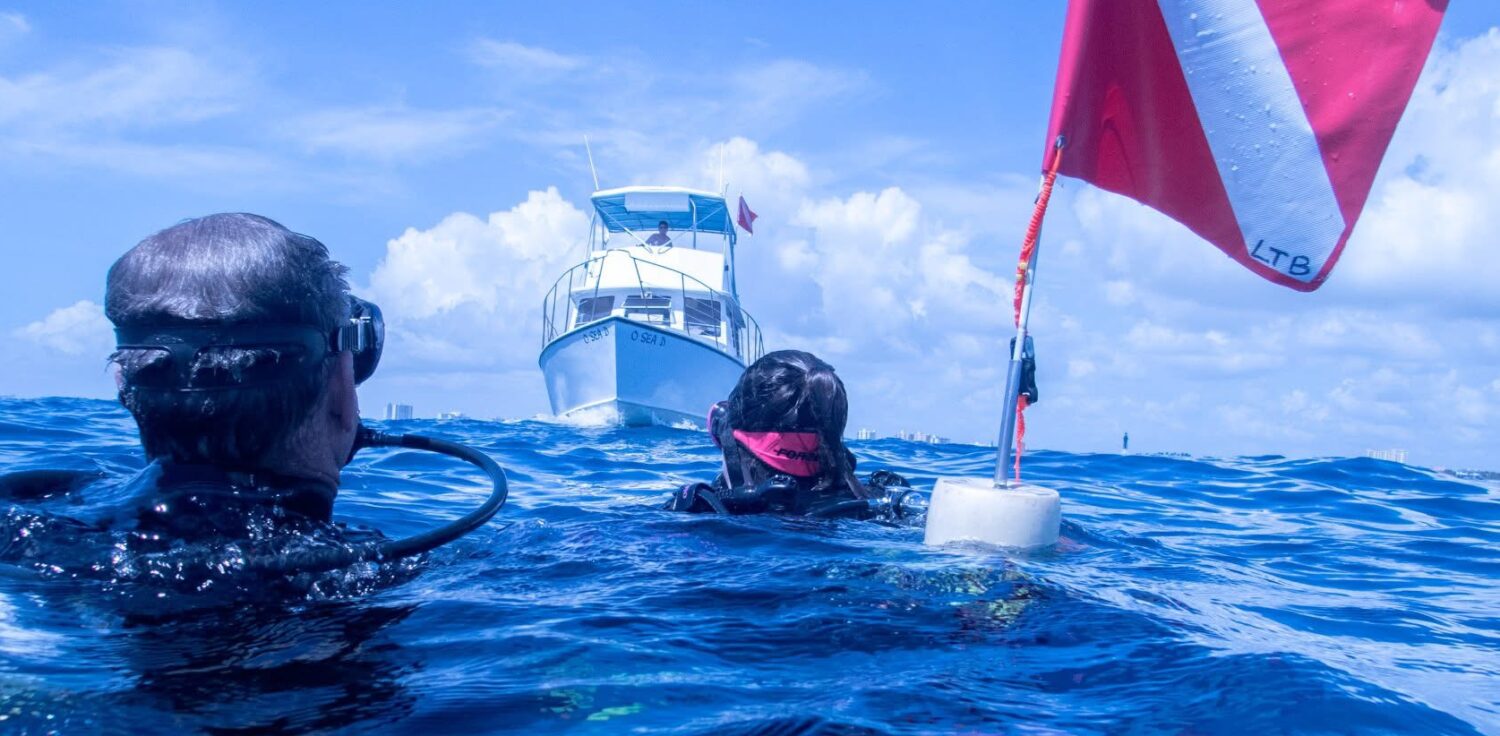
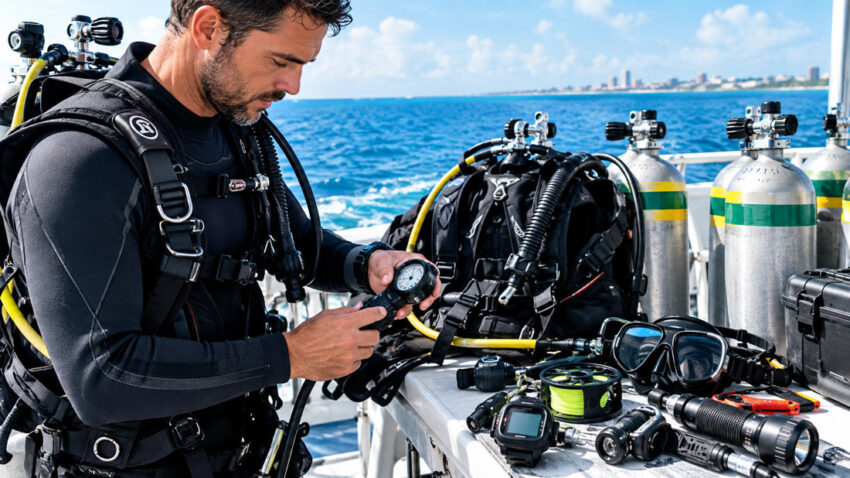
For divers exploring Technical diving Florida opportunities, equipment preparation deserves particular attention. South Florida offers warm water, diverse marine environments, reefs, wrecks, and excellent opportunities for experienced divers to develop their skills. However, comfortable water temperatures and good visibility do not eliminate the need for careful equipment inspections.
Technical diving demands more than confidence in the water. It requires careful planning, appropriate training, dependable equipment, and a disciplined approach to safety. Whether you are preparing for a deeper dive, an overhead environment, extended bottom time, or a demanding wreck exploration, equipment checks should be part of your routine from the moment you begin preparing.
A technical dive can involve additional cylinders, redundant regulators, specialized exposure protection, lights, computers, reels, buoyancy equipment, and other accessories. Every component needs to work together as part of a reliable system. A problem that might be inconvenient on a straightforward recreational dive can become considerably more serious during a deeper or more complex dive.
This guide answers six common equipment-check questions and explains what divers should inspect before entering the water. It is also useful for divers using Scuba gear rental Florida services who need to understand what should be checked before accepting rental equipment.
Equipment Checks Required for Technical Diving Florida: 6 Essential QA
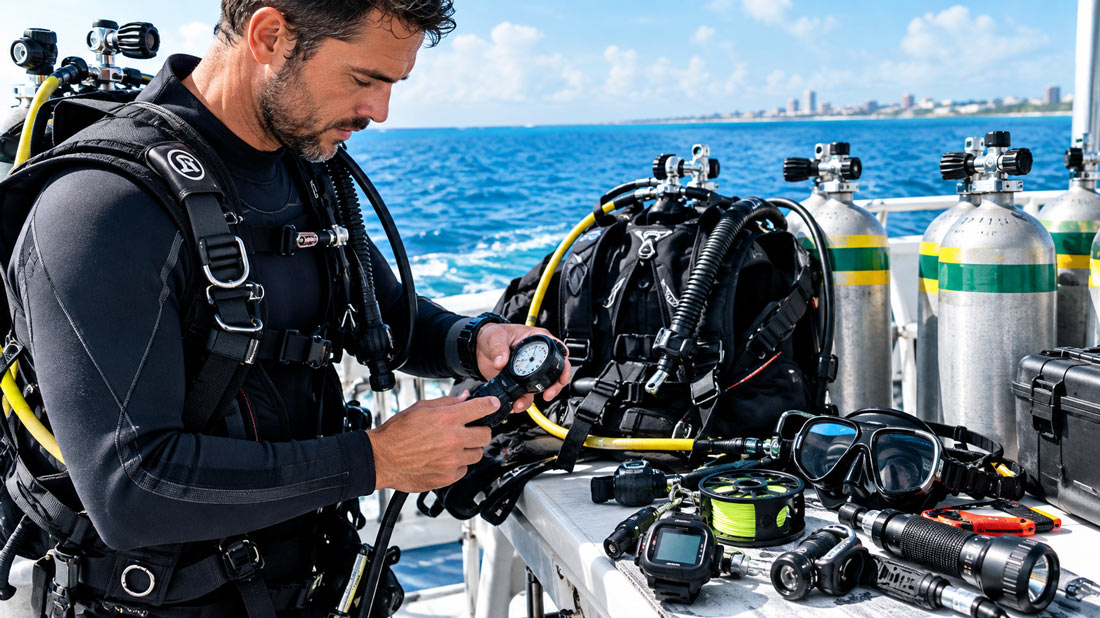
1. Why Are Equipment Checks So Important for Technical Diving Florida?
Equipment checks are important because technical diving typically introduces additional equipment, greater depth, longer exposure, and more complicated dive plans. The purpose of a pre-dive inspection is not to create anxiety. Instead, it helps a diver identify problems while still on the surface, where they are much easier to correct.
A proper equipment check should confirm that the equipment is appropriate for the planned dive and that each component is functioning as expected. Divers should also confirm that equipment is configured consistently with their training and previous dives.
Technical diving often emphasizes redundancy. Depending on the dive and the diver’s training, this can include redundant breathing systems, multiple cylinders, backup lights, redundant computers, and other equipment. Redundancy only helps when the backup equipment is accessible, functional, and understood by the diver.
Before a technical dive, ask several basic questions. Is the equipment suitable for the planned depth? Are cylinders properly identified and filled with the intended gas? Are regulators functioning correctly? Are hoses routed properly? Is the buoyancy system operating correctly? Are computers configured appropriately? Can emergency equipment be reached without unnecessary movement?
These questions may sound simple, but consistency is one of the most valuable habits a technical diver can develop.
For anyone participating in Scuba diving Florida, the same principle applies even when the dive itself is recreational. Good equipment habits should become routine before they are ever needed in an emergency.
2. What Should You Check on Cylinders and Gas Supplies?
Cylinder inspection is one of the most important parts of technical-diving preparation. Technical divers may use several cylinders containing different gases, so identification and organization are especially important.
Before entering the water, verify the cylinder markings and confirm that each cylinder contains the gas intended for the planned portion of the dive. Do not rely solely on memory or on the appearance of the cylinder. The diver should personally verify the information according to their training and dive plan.
Cylinder pressure should also be checked. A pressure reading that does not match the expected starting pressure deserves attention before the dive begins. If there is any uncertainty about the contents or condition of a cylinder, stop and resolve the issue rather than assuming everything is correct.
Inspect the cylinder visually for obvious signs of damage, corrosion, valve problems, or other concerns. The valve should operate normally, and the connection between the cylinder and regulator should be secure.
Technical divers should also check the regulators attached to each cylinder. Pressurize the system gradually and listen for unusual sounds. A persistent hiss, unexpected pressure loss, damaged hose, or abnormal regulator behavior should be investigated.
When using Scuba gear rental Florida, divers should take the same approach. Rental equipment should not be treated as automatically ready simply because it came from a dive shop. Ask questions when necessary, inspect the equipment, and make sure you understand the configuration before leaving the dock or entering the water.
For technical diving, gas management is a fundamental part of the dive plan. Equipment checks therefore connect directly with the diver’s overall preparation.
3. How Should Regulators and Hoses Be Checked?
Regulators are among the most important pieces of scuba equipment because they provide breathable gas when the diver needs it. A regulator check should therefore go beyond simply confirming that air comes out.
After connecting the regulator to the cylinder, pressurize the system and observe the pressure gauge. The first stage, hoses, connections, and second stages should be checked for leaks or unusual sounds.
Take several controlled breaths from the primary regulator. Breathing should feel normal and consistent. Check the alternate breathing source as well. Technical divers using multiple regulators should know exactly which regulator is intended for each cylinder and how it will be accessed during the dive.
Inspect regulator hoses for cuts, cracking, excessive wear, or signs of deterioration. Pay attention to hose routing. Poor routing can cause unnecessary strain, interfere with other equipment, or make emergency procedures more difficult.
A technical diver should also make sure the regulator configuration matches their training and established diving procedures. Equipment should not be rearranged immediately before a complex dive without sufficient time to become familiar with the new configuration.
This is one reason consistency matters. A diver who always places equipment in predictable locations can often locate it more easily under stress or in reduced visibility.
During Pompano Beach scuba diving, divers may encounter a variety of conditions, including current, depth changes, wreck environments, and varying visibility. Proper regulator preparation helps the diver focus on the dive rather than avoidable equipment concerns.
If a regulator breathes unusually, leaks continuously, or behaves differently from normal, do not ignore the problem because the dive has already been planned. Equipment concerns should be addressed before entering the water.
4. What Should You Inspect on Buoyancy and Exposure Equipment?
Buoyancy equipment is another essential part of the pre-dive inspection. Depending on the diver’s configuration, this may involve a backplate and wing system, buoyancy compensator, drysuit, or another appropriate system.
First, inspect the inflation system. The inflator connection should be secure, and the inflator should operate properly. Test inflation and deflation before the dive rather than discovering a problem after entering the water.
Inspect the bladder, valves, hoses, and attachment points for obvious damage. If the system uses an integrated weight configuration, verify that the weights are properly secured and that the release mechanism functions as intended.
Technical divers should also consider how the buoyancy system interacts with the rest of the equipment. Cylinders, stage bottles, reels, lights, and other accessories can affect trim and buoyancy. The goal is not merely to have equipment attached but to have a configuration that the diver can control comfortably.
Exposure protection should also be checked. In South Florida, warm water may allow divers to use lighter exposure protection than they would in colder destinations, but thermal comfort still matters. A diver who becomes excessively cold during a long dive may experience reduced comfort and increased fatigue.
Check the wetsuit or drysuit for damage and verify that zippers, seals, and closures work properly. If using a drysuit, the diver should be familiar with the inflation and exhaust systems and understand how the suit fits into the overall buoyancy strategy.
For Technical diving Florida, conditions may appear comfortable at the surface, but longer dives can change the diver’s thermal experience. Equipment selection should therefore reflect the planned dive rather than simply the temperature encountered during a short surface swim.
5. What Other Technical-Diving Equipment Should Be Checked?
Technical diving can involve considerably more equipment than a basic recreational setup. Each additional component should have a purpose and should be checked before the dive.
Dive computers are particularly important. Verify that the computer is functioning, sufficiently charged, and configured correctly for the planned dive. If multiple computers are being used, make sure the diver understands the information displayed by each one.
Lights should be checked before entering the water. Turn the primary light on and confirm that it operates normally. Backup lights should also be tested rather than being treated as emergency equipment that can remain untouched until needed.
Reels and spools should be inspected for proper operation. Line should be organized and free from obvious tangles. If a reel is intended for a specific emergency or navigation task, the diver should know exactly where it is stored and how it will be deployed.
Cutting devices should be accessible and securely positioned. A cutting tool is useful only when a diver can reach it when required.
Other equipment may include SMBs, lift bags, masks, backup masks, compasses, stage bottles, regulators, clips, bolt snaps, and other accessories. The exact equipment configuration should depend on the diver’s training, experience, and dive plan.
The most important question is not simply, “Do I have everything?” It is, “Can I use everything correctly if something changes underwater?”
That distinction is especially important in Technical diving Florida, where experienced divers may participate in deeper, longer, or more equipment-intensive dives.
6. What Is the Best Way to Complete a Final Pre-Dive Equipment Check?
A final pre-dive check should be systematic rather than rushed. A consistent process reduces the possibility of forgetting an important item.
Divers should establish a personal checklist that reflects their training and equipment configuration. The checklist can cover cylinders, gas identification, pressures, regulators, buoyancy equipment, exposure protection, computers, lights, reels, cutting devices, masks, and other dive-specific equipment.
A buddy check is also valuable. Each diver should understand their buddy’s configuration well enough to identify major equipment locations and emergency gas sources. This is particularly important when the dive involves multiple cylinders or specialized equipment.
The final check should also include the dive plan. Equipment cannot be separated from planning. Confirm the planned depth, bottom time, gas strategy, ascent procedures, decompression requirements when applicable, entry and exit arrangements, and emergency procedures according to the diver’s level of training.
For technical diving, preparation should not end with an equipment inspection. Divers should also consider weather, sea conditions, current, visibility, boat procedures, surface support, and communication.
This is especially relevant for Technical diving Florida, where local dive conditions can vary. A well-prepared diver understands that the equipment setup and dive plan need to match the conditions rather than forcing a predetermined plan into unsuitable circumstances.
If rental equipment is being used, complete the inspection early enough to resolve any concerns. A last-minute discovery should not become a reason to rush.
Building Better Equipment Habits for Every Dive
Equipment checks may seem repetitive, particularly to divers who have completed hundreds of dives. However, repetition is precisely what makes a good checklist valuable. The objective is to make important safety steps automatic without becoming careless about them.
A diver should never hesitate to ask a dive professional about equipment they do not understand. This is particularly important when using unfamiliar rental equipment. Scuba gear rental Florida services can provide convenient access to equipment, but the diver remains responsible for understanding the equipment they are using and ensuring that it is appropriate for their training and planned activity.
Technical diving also requires an honest assessment of personal experience. Having sophisticated equipment does not automatically make a dive appropriate. Equipment should support training and experience rather than substitute for them.
For divers exploring Technical diving Florida, local professionals and qualified instructors can provide valuable guidance on equipment configuration, procedures, and training pathways. Divers should follow the requirements of their certification agency and seek appropriate training before attempting technical activities.
Why Equipment Preparation Matters in South Florida
South Florida is an attractive destination for scuba divers because of its warm water, marine life, reefs, wrecks, and diverse diving opportunities. Scuba diving Florida can offer memorable experiences, but good preparation remains essential.
Pompano Beach and the surrounding South Florida area are particularly known among divers for offshore diving opportunities. A diver may encounter changing conditions, currents, deeper sites, wrecks, and other environments requiring good buoyancy control and situational awareness.
That makes equipment preparation more than a technical exercise. It is part of respecting the environment, the dive team, and the limits of the individual diver.
A carefully inspected regulator, correctly identified gas supply, functioning buoyancy system, accessible emergency equipment, and properly configured computer can all contribute to a more organized dive.
The goal is not to eliminate every possible problem. No equipment system can guarantee that nothing will go wrong. Instead, careful preparation helps divers recognize problems early, understand their equipment, and respond according to their training when circumstances change.
Final Thoughts
Technical diving requires discipline, preparation, and a strong understanding of equipment. Before entering the water, divers should inspect cylinders and gas supplies, regulators and hoses, buoyancy equipment, exposure protection, computers, lights, reels, cutting tools, and other dive-specific equipment.
The six questions covered in this guide provide a practical framework for building a consistent pre-dive routine. They can also help recreational divers develop better habits that remain useful as their experience grows.
Whether you are preparing for Technical diving Florida, arranging Scuba gear rental Florida, planning Scuba diving Florida, or enjoying Pompano Beach scuba diving, equipment preparation should never be an afterthought.
Take the time to inspect your equipment, confirm your configuration, communicate with your buddy, review the dive plan, and address anything that does not look or feel right before entering the water. A few extra minutes on the surface can make the entire diving experience more organized, comfortable, and enjoyable.